Strategic Hill Near Nabatiyeh Becomes Flashpoint in Israel-Hezbollah Ceasefire
Israel says it has taken control of a strategic hill near Nabatiyeh, but clashes with Hezbollah persist, testing the fragile ceasefire.
More than two months after a U.S.-brokered ceasefire ended major hostilities between Israel and Hezbollah, a strategic hill overlooking the southern Lebanese city of Nabatiyeh has become a persistent flashpoint. The area around Ali Taher hill has seen near-daily shelling and airstrikes by Israeli forces, while Hezbollah has responded with drone attacks on Israeli troops.
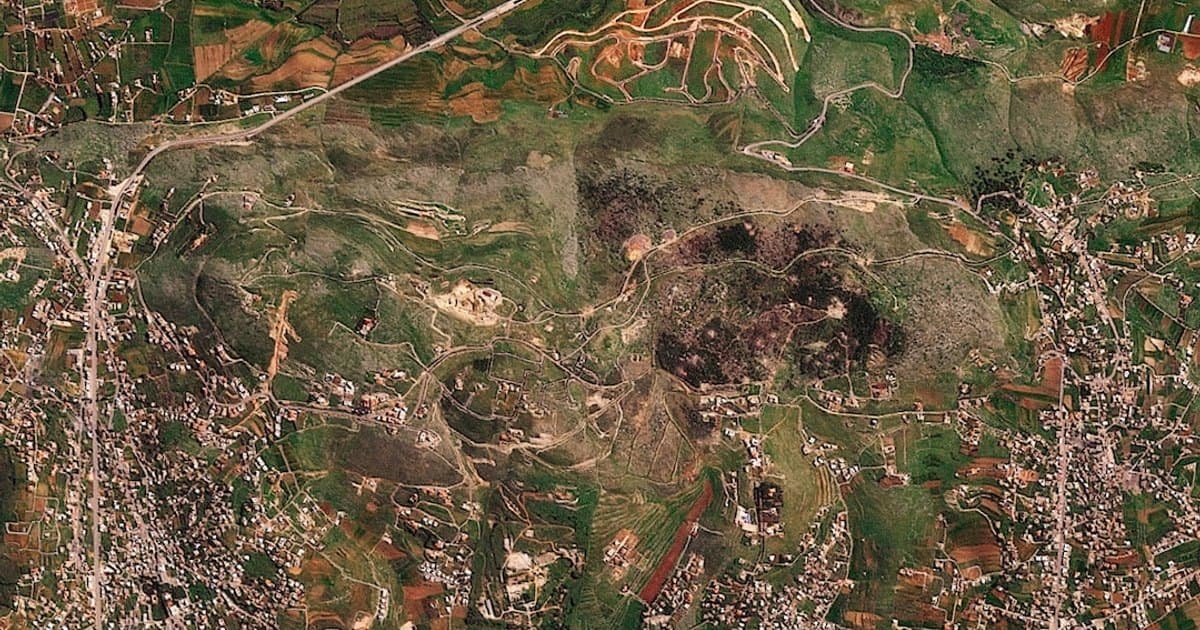
Israel's military announced late Thursday that it had taken "operational control" of Ali Taher and a network of tunnels beneath it, which it says Hezbollah used for sheltering fighters and storing weapons. The military described the underground complex as including command centers, living quarters, and a kitchen. However, the extent of Israel's control remains unclear, as Lebanese state media reported airstrikes on the hill just before the announcement. A photographer visiting a nearby village saw no visible Israeli presence on the hill.
Hezbollah has not officially commented on Israel's claim. The group has firmly rejected proposals from the Lebanese government to hand the hill over to the Lebanese army, fearing Israel would then seize it from the army and demand further territorial concessions. Hezbollah legislator Ihab Hamadeh questioned why Israeli forces were still attacking the hill if they truly controlled it.
The hill's strategic value lies in its position overlooking several villages and main roads leading to Nabatiyeh. Control of the area would disrupt Hezbollah's presence and supply lines in the region. Israel occupied the hill for 18 years before withdrawing from Lebanon in 2000.
Clashes around Ali Taher have been ongoing since July. In mid-August, Israeli airstrikes killed 11 people, including women and children, in what Israel described as retaliation for a Hezbollah drone attack that wounded three soldiers. These were the deadliest strikes since the ceasefire took effect in late June.
Lebanon's Deputy Prime Minister Tarek Mitri said the Lebanese army was ready to take over the hill, accusing Israel of blocking the move due to domestic political considerations ahead of Israeli elections on Oct. 27. Lebanese and Israeli officials are scheduled to meet for negotiations in Rome later this month.
Analysts say the capture of Ali Taher is an operational setback for Hezbollah, though the group has downplayed its significance. Hezbollah official Mahmoud Qamati acknowledged the hill's importance but noted that losing it would not mean the end of the group. The situation remains tense, with the hill's fate potentially influencing broader negotiations over Israel's withdrawal and Hezbollah's disarmament.