Andhra Pradesh's Farmers Face a Climate Crisis on Multiple Fronts
AP farmers battle climate stress: drought in Bapatla, diesel costs in Krishna Delta, and rotting paddy in West Godavari.
Farmers across Andhra Pradesh are finding themselves squeezed between increasingly erratic weather patterns and the financial strain of adapting to them. The climate crisis is not a single, uniform event but manifests differently across the state's diverse agricultural landscapes, each presenting its own set of challenges.
In the drylands of Bapatla, the primary struggle is with parched earth and water scarcity. Here, farmers depend on rainfall that has become unpredictable, leaving their fields dry and their livelihoods hanging in the balance. The lack of moisture threatens crops and forces difficult decisions about planting and investment.
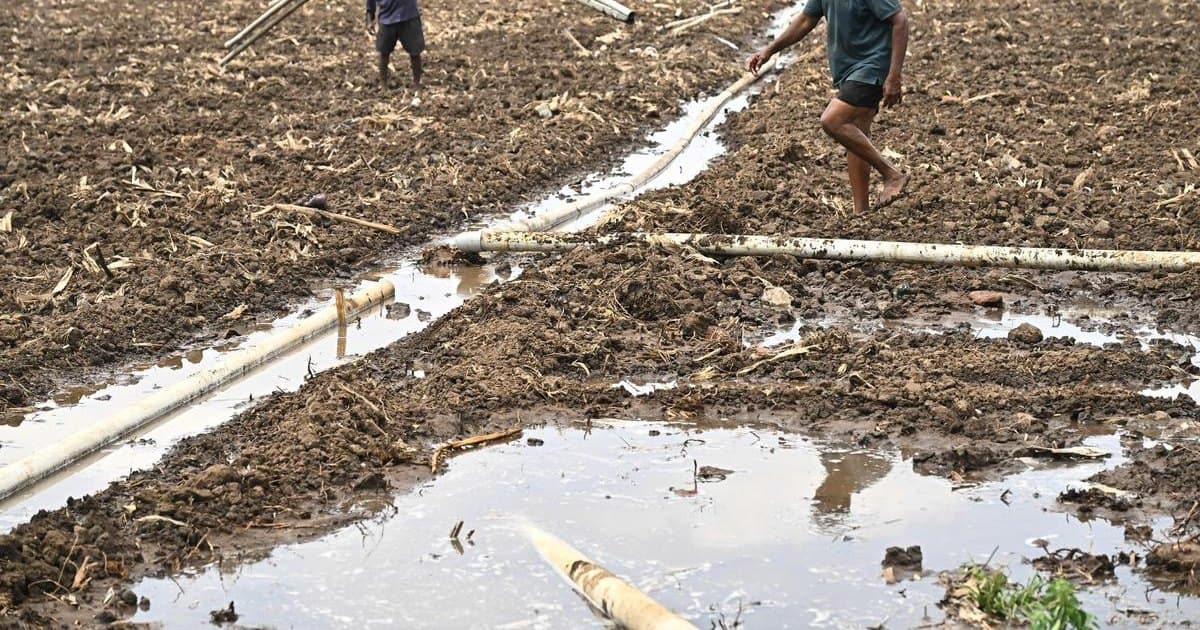
Meanwhile, in the Krishna Delta, the response to water uncertainty has been a reliance on diesel-powered pumps. This approach offers a measure of control but at a significant financial cost. The expense of fuel adds a heavy burden to already tight farm budgets, making every irrigation decision a costly one and eroding profit margins.
Further north, in West Godavari, the problem is the opposite: an excess of water. Paddy fields there are rotting, a direct consequence of unseasonal or heavy rains that have waterlogged the crops. This damage represents a total loss of investment for farmers who had already spent on seeds, fertiliser, and labour.
These three regions illustrate a broader, interconnected crisis. The state's farmers are not just dealing with a single bad season; they are navigating a new normal of climate volatility. Each adaptation—whether it is drilling deeper, buying more diesel, or hoping for a dry spell—comes with a financial risk that many can ill afford. The cumulative effect is a farming community caught between the whims of nature and the unforgiving economics of agriculture.