Australia Eases East Coast Gas Reservation Plan for LNG Exporters
Australia has softened its proposed East Coast gas reservation rule, shifting from a fixed 20% to a flexible up-to-20% requirement for LNG exporters.
Australia has adjusted its proposed gas reservation policy for the East Coast, moving away from a fixed 20% requirement for energy exporters. Under the revised plan, liquefied natural gas (LNG) exporters would instead be obliged to reserve up to one-fifth of their production for the domestic market.
Energy Minister Chris Bowen said the change would allow exporters to supply up to 200 additional petajoules of gas annually. That volume exceeds the potential shortfalls of up to 140 petajoules projected by the country's energy market operator.
The policy is intended to keep gas affordable while ensuring the domestic market remains modestly oversupplied, Bowen said.
The centre-left Labor government had initially proposed a hard 20% reservation scheme in May. In December, it had floated a plan to reserve between 15% and 25% of gas.
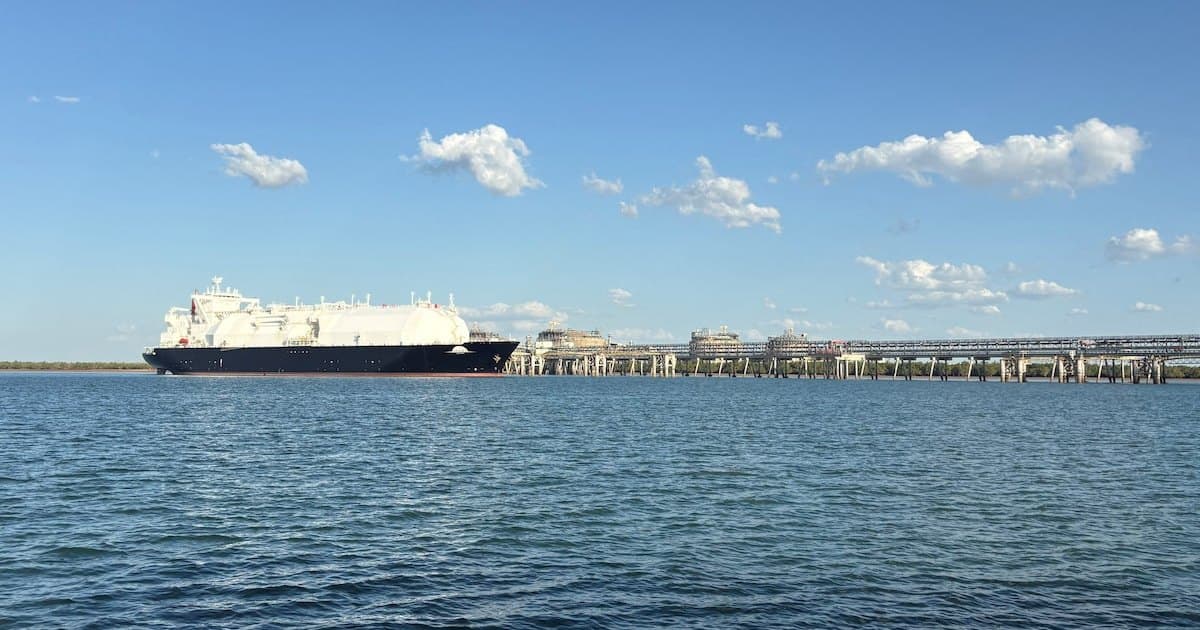
Three LNG export projects on the East Coast, operated by Origin Energy, Shell and Santos, will be affected by the scheme.
Australia is among the world's largest LNG exporters, shipping more gas overseas than it uses domestically. However, most of its large gas reserves lie in the northwest, far from the more populous southeast where demand is concentrated.
Western Australia already operates its own reservation scheme, requiring offshore export projects to divert 15% of their gas to the local market.