Band of Brothers at 25: How a WWII Epic Became a Timeless Reflection on War and Memory
As Band of Brothers marks 25 years, historians reflect on its unique resonance, from post-9/11 consolation to its role in shaping how we remember WWII.
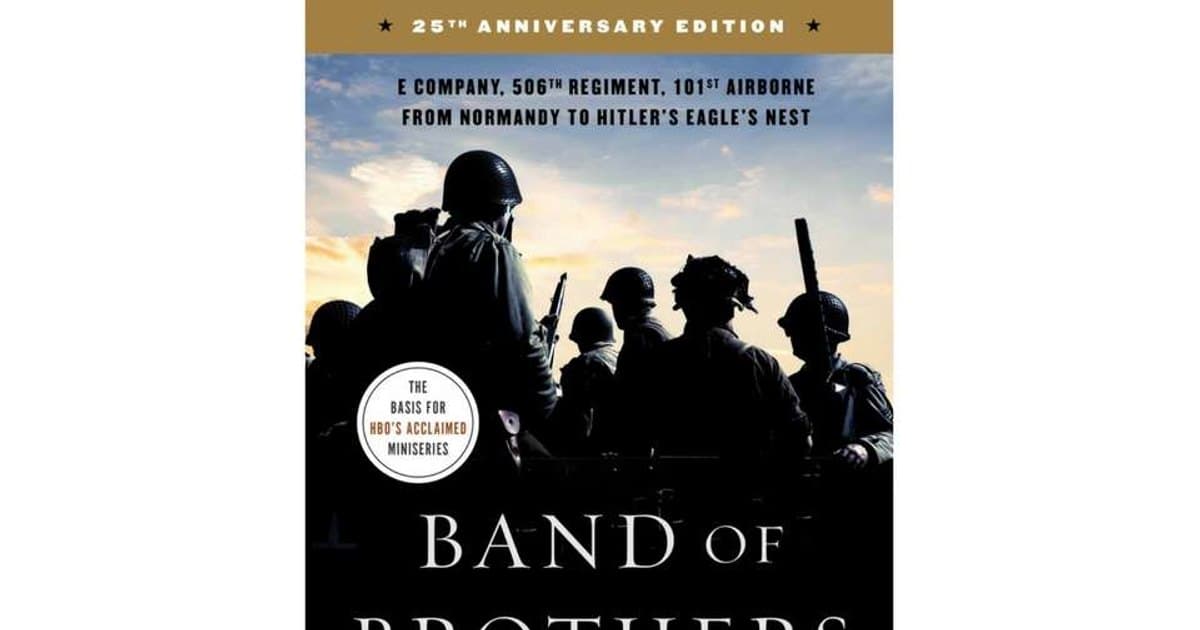
Twenty-five years after its debut on September 9, 2001, HBO's Band of Brothers remains a landmark in television history. The ten-part series, which chronicled the journey of Easy Company through World War II, premiered at a moment of profound national transition, a timing that historian Jared Frederick of Penn State Altoona says gave the show an unexpected and lasting significance.
Frederick notes that the series landed just as the last World War II veterans were passing from living memory into history. Two days after its first episodes aired, the September 11 attacks plunged America into a new era of conflict. In that context, the show offered more than nostalgia; it provided a form of collective consolation. It reminded a shaken nation that it had endured hardship before and could do so again, fostering a sense of camaraderie and emotional fortitude that resonated deeply.
The series' enduring appeal, Frederick suggests, lies in its universal themes. While it focuses on a single company among thousands, viewers see in Easy Company their own relatives—grandfathers, fathers, and uncles. The story transcends one unit to represent the struggles and ideals of an entire generation.
Artistically, Band of Brothers broke new ground by following a single group of men across a multi-year European campaign, a narrative ambition that helped define the potential of prestige television. It also demonstrated the power of cinema to shape historical memory. Easy Company's story, popularized first through a book and then this production, became a lens through which we remember the war, prompting reflection not just on the events themselves, but on why and how we memorialize them.
Frederick emphasizes that the series remains relevant today as a study in human behavior under pressure, illustrating the costs of war and the impacts of leadership. As the world faces new conflicts, including the first major war in Europe since WWII, the show serves as both an inspiration and a cautionary tale. It reminds viewers of the social contract and the ideals of democracy and allied cooperation that the WWII generation fought to defend—values worth remembering in contemporary, divisive times.