Brazil Senate Clears Rare Earths Bill to Boost Mining and Processing
Brazil's Senate approved a landmark bill regulating critical minerals, creating a credit fund and tax incentives to boost rare earths exploration and processing.
Brazil's Senate has approved a landmark bill to regulate the exploration of critical and strategic minerals, a move that could significantly expand the country's rare earths industry. The legislation, which passed on Wednesday night, now heads to President Luiz Inácio Lula da Silva, who is expected to sign it into law. The lower house had already backed the measure by a wide margin on May 6.
The new law establishes a basic legal framework for rare earths and other critical minerals. It creates the Mineral Activity Guarantee Fund, seeded with 2 billion reais (about $391 million), to provide credit for mining projects. The bill also introduces a program to encourage domestic processing, offering 5 billion reais ($978 million) in federal tax credits over five years. A new National Council for the Industrialization of Critical and Strategic Minerals will be set up to identify priority projects for support.
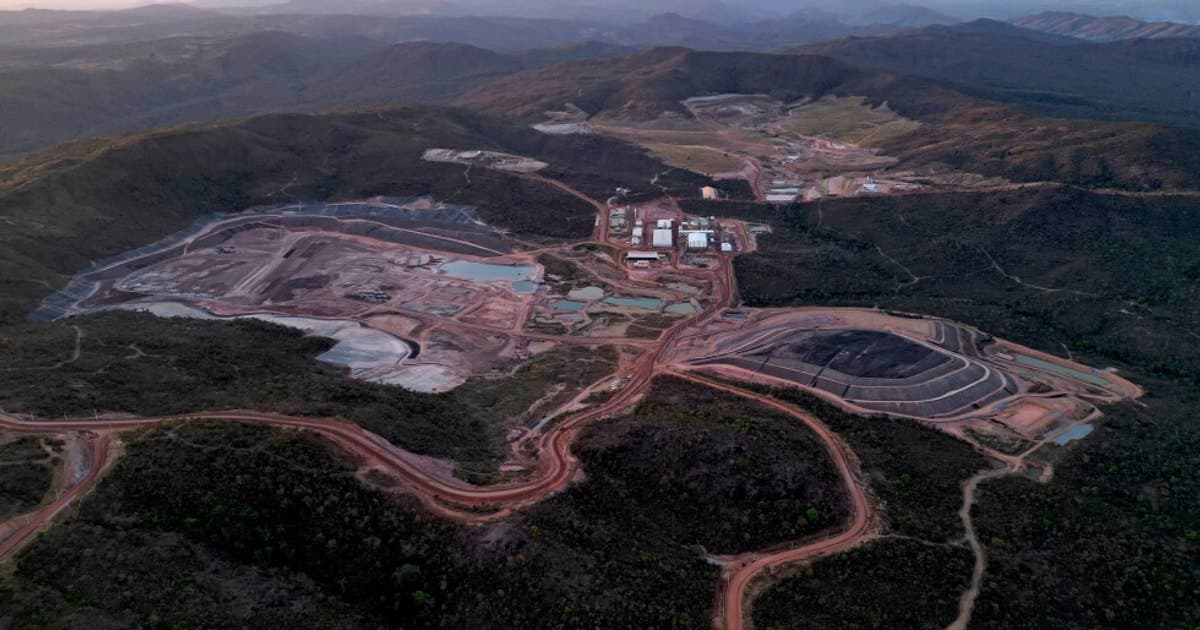
Brazil holds the world's second-largest reserves of rare earth elements, which are essential for products like smartphones, electric vehicles, solar panels, and jet engines. With China dominating global supply chains, Brazil is positioning itself as an alternative source. Interest has grown since China restricted rare earth exports last year, prompting a wave of U.S. investment. In April, USA Rare Earth agreed to pay about $2.8 billion for Serra Verde, Brazil's only commercial rare earth producer, which operates the Pela Ema mine in Goias state.
President Lula has stressed that Brazil should use this interest to build a national industry rather than just export raw materials. "We're not going to repeat what happened with silver and gold in Latin America," he told journalists in Washington on May 7. "With rare earths, we're going to change our behavior. We want Brazil to be the big winner of these riches."
The bill has drawn criticism from environmental groups. The Climate Observatory, Brazil's largest network of environmental organizations, argues the legislation increases regulatory flexibility without proper safeguards. "Critical and strategic minerals are necessary for the energy transition, but this cannot become a blank check for mining," said Suely Araújo, the group's Public Policy Coordinator.
Experts say the key question is how Brazil manages foreign interest. "Access already exists," said Leonardo Paz Neves, an international relations professor at the Getulio Vargas Foundation, pointing to the USA Rare Earth purchase. "The big question here is whether the state will want to try to negotiate some kind of privileged agreement regarding that access."
Lula has indicated Brazil is open to partnerships with multiple countries, including the U.S., China, Germany, and France. In February, Brazil and India signed a nonbinding memorandum of understanding on critical minerals and rare earths to enhance bilateral cooperation.