BRICS Adopts New Delhi Declaration After Iran-UAE Rift Bridged
BRICS adopted the New Delhi Declaration by consensus on Saturday after back-channel talks resolved differences between Iran and the UAE.
BRICS adopted a joint declaration by consensus on Saturday, the opening day of the two-day summit hosted by India, after back-channel negotiations resolved sharp differences between Iran and the United Arab Emirates over the West Asia conflict.
Prime Minister Narendra Modi announced the adoption of the New Delhi Declaration at the close of the day's deliberations. Because BRICS operates on consensus, a single member could have blocked the final text, and negotiations ran down to the wire as both Iran and the UAE initially hardened their positions.
In his concluding remarks, Modi said the discussions had made clear that a changing world cannot be steered by outdated institutions, and that reforms are essential in representation, responsiveness and rule-making. He added that the Global South must have equal participation in the development of future technologies and in the rules governing them.
The prime minister said the gap between decisions and their outcomes must be bridged through partnership and collective action. He described the New Delhi Declaration as providing a clear direction for the grouping's shared resolve, and said it was now the responsibility of members to translate its resolutions into tangible results.
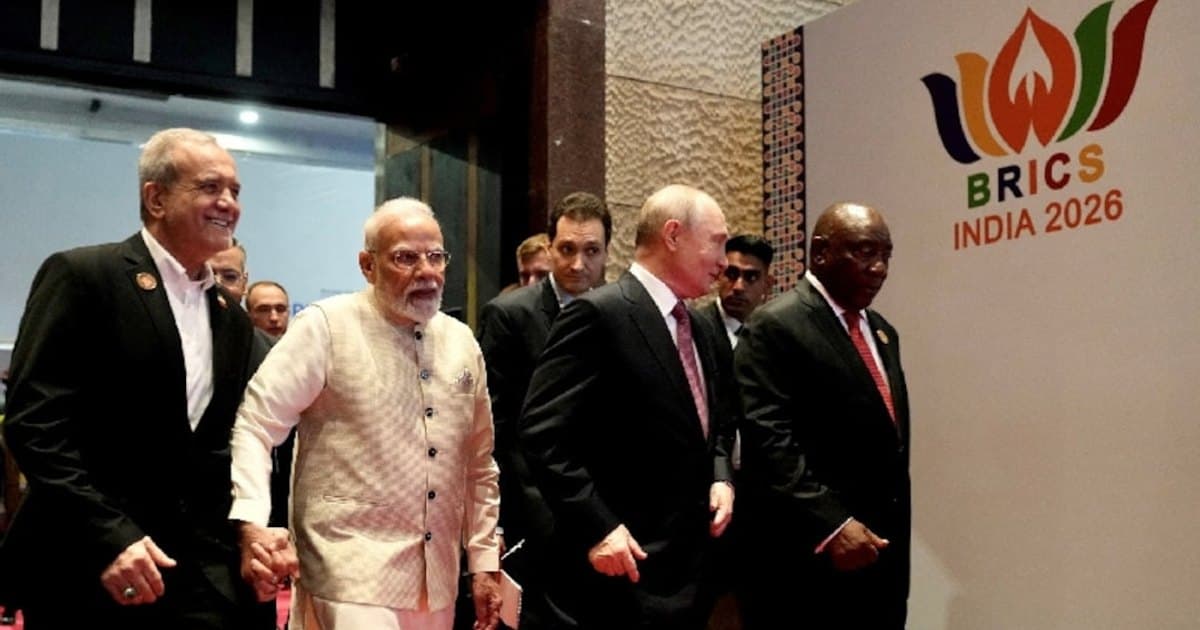
Modi was also seen shaking hands with Chinese President Xi Jinping at the end of the inaugural session.