Budapest Vet School Opens Term with Live Horses as Anatomy Models
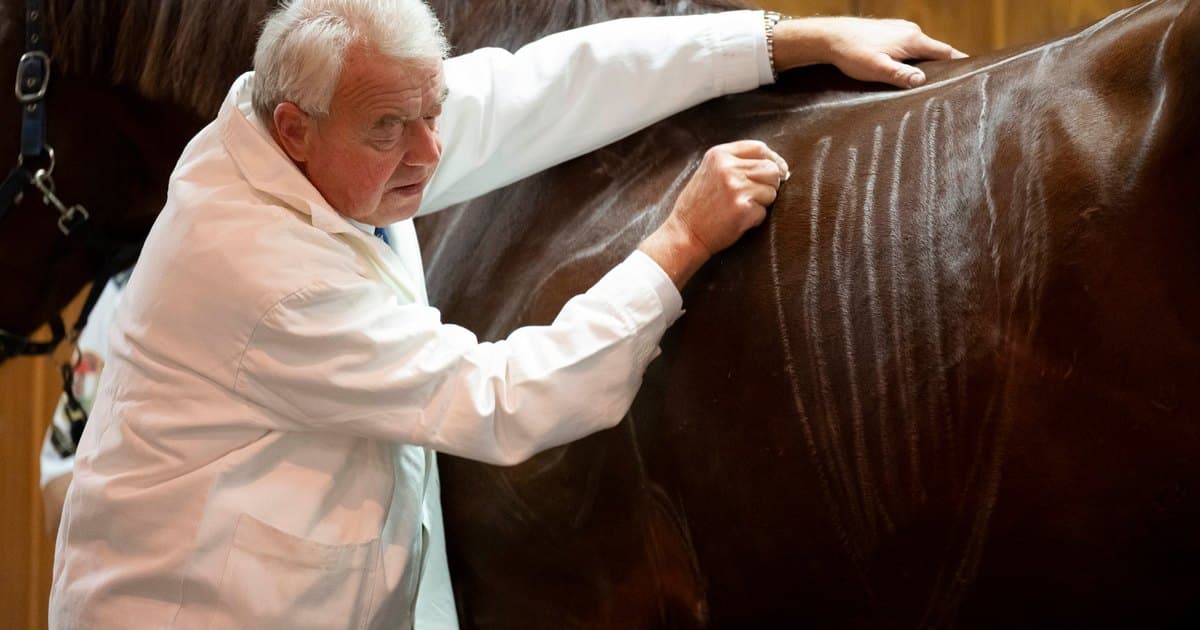
Budapest vet students began anatomy studies with live horses, as the rector used chalk to draw bones on the animals for a memorable first lecture.
First-year veterinary students in Budapest received an unconventional introduction to anatomy on Monday when two live horses were brought into the lecture hall as teaching aids.
Dr. Péter Sótonyi, rector of the University of Veterinary Medicine, led the session by using chalk to sketch the animals' skeletal structures directly onto their bodies. The approach is intended to help students connect with the subject matter in a way that textbooks and models cannot.
"It is extremely important that when first-year students enter the University of Veterinary Medicine, their first lecture be with a live animal, not a carcass," Sótonyi said. "After all, they will be all working with live animals in the future."
The rector has used this teaching method for roughly 25 years. He noted that while digital tools and chalkboards remain part of his repertoire, drawing on a live horse offers a unique advantage. "Being able to draw right on a live horse is a huge novelty for the students, and it's a joy for me, too," he said, adding that he is particularly passionate about horses.
To keep the animals calm and steady, Sótonyi arranged for two horses to be present in the auditorium. The horses, provided annually by the Budapest Police, were kept composed with periodic sugar cube treats.
During the hour-long lecture, the rector supplemented the chalk markings with components from a model horse skeleton to offer a clearer visual comparison of the animal's anatomy.
Students responded positively to the hands-on format. Enikő Szalatnay, a first-year student, said she prefers this traditional approach. "I think it sticks with the students much better when they can see exactly where the bones are located," she explained. "So, I think this way of teaching helps us a lot."