California Panel Clears Path for Largest US Kelp Farm Off Ventura Coast
California coastal officials unanimously approved a phased plan for the largest US kelp farm, six miles off Ventura County, with construction possible by 2027.
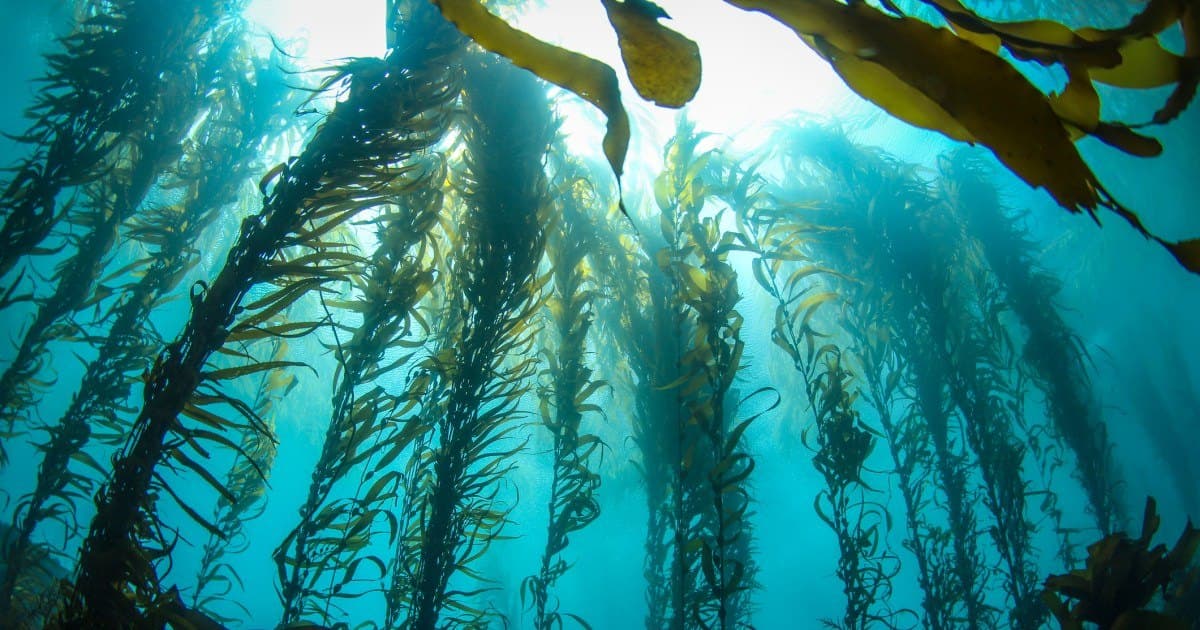
California's coastline has long been defined by agriculture on land, but state regulators have now opened the door to farming the ocean at an industrial scale. The California Coastal Commission voted unanimously on Wednesday to allow a plan for the largest kelp farm in the United States to proceed, clearing a major regulatory hurdle for a project that would sit roughly six miles (10 kilometers) off the Southern California coast.
The venture is led by Ocean Rainforest, a company headquartered in the Faroe Islands in Northern Europe. It intends to cultivate giant kelp across about 3 square miles (7.8 square kilometers) of federal waters, with the harvested seaweed processed in the port city of Ventura, about 60 miles (97 kilometers) northwest of Los Angeles. The resulting products are aimed at improving soil and plant health on California's avocado farms and strawberry fields.
Douglas Bush, the company's director of California operations, said the goal is to keep the entire cycle local. "Let's start in our backyard," he said in a recent interview. "Let's grow the seaweed here, let's process here in California, let's use it in California farms."
Under the approved approach, Ocean Rainforest will begin with a smaller area and face periodic reviews by the U.S. Army Corps of Engineers and the commission's director before expanding to full capacity. The company said it plans to build up the farm gradually over a decade and could harvest as much as 6,000 tons of kelp annually at full capacity. With the decision, it said it now holds the major approvals needed, and construction could begin in 2027.
The project aligns with a broader federal push to expand commercial aquaculture. The National Oceanic and Atmospheric Administration last year designated 13 areas totaling 33 square miles (85 square kilometers) off California and Texas for aquaculture development, part of a 2020 effort to grow the U.S. seafood industry. Seaweed markets have also been expanding, with a 2023 World Bank report estimating they could grow by another $11.8 billion by 2030. Dozens of farms already cultivate seaweed in New England, the Pacific Northwest and Alaska.
Supporters, including some environmental groups, point to seaweed's ability to absorb carbon dioxide from warming ocean waters, restore habitat and draw on ocean nutrients. But concerns remain about the project's footprint. Critics have questioned the impact of hundreds of boat trips a year for maintenance and harvesting, and the risk that migrating or feeding whales could become entangled in the lines that stretch from the sea floor or are tethered to buoys to grow the kelp.
"This is our blue Serengeti. This is a very wild place," said Geoff Shester, director of fishery innovation at the ocean conservation group Oceana. "It's like you might as well put a bunch of industrial data centers in Yosemite National Park."
Cassidy Teufel, deputy director at the coastal commission, said during the project review that seaweed farms use taut, rigid lines rather than the loose fishing lines that are a leading cause of whale entanglements. The farm's offshore location also has a lower density of marine mammals, Teufel said. The project could attract fish, and sportfishing would be permitted in the area, Teufel added. Some commercial fishing will be displaced, and Ocean Rainforest and fishermen said they are working on an industry support fund. The company said no whales were entangled in taut lines during a two-year demonstration project.
Under U.S. law, California officials have a say over projects on federal property that affect the state's coast. The region around Ventura is known for strawberries, avocados and other crops. Ted Travers, chief operating officer of the avocado farm Simpatica, said he was eager to see kelp-based agricultural products developed on the West Coast, noting in a letter to the commission that all kelp currently used for agricultural purposes comes from the Atlantic Ocean, "which is financially and environmentally impractical." Ventura and port officials have welcomed the project as a source of new industry and jobs for the city of about 100,000 people.