Childhood obesity surges in developing nations, outpacing undernutrition
Childhood obesity is rising faster in developing countries, creating a dual burden with undernutrition and straining health systems.
In Indonesia, a 12-year-old girl named Intan Permatasari quit school after relentless bullying over her weight. Her case is part of a broader trend: childhood obesity is accelerating across low and middle-income countries, even as undernutrition remains a persistent challenge.
A project involving over 1,000 scientists, backed by the World Health Organization, tracked nutritional issues among children aged 5 to 19 across 200 countries. Their findings, published in the journal Nature, show the epicentre of the childhood obesity epidemic has shifted to nations least equipped to handle the associated costs.
Between 2023 and 2024, obesity rates among boys rose fastest in Peru, reaching 19%, up from under 8% in 2010. For girls, the fastest increases were in Tonga and Samoa. In Indonesia, the prevalence among both boys and girls saw its largest absolute annual increase yet.
Health experts point to an abundance of cheap, processed foods and a lack of awareness about health risks as key drivers. The rise is occurring both in countries with low prevalence, like Tanzania, and in those with already high rates, such as Chile.
Dr. Zulfiqar Bhutta, a global child health expert, fears the long-term consequences. He warns that the fallout from child and adolescent obesity could overshadow gains made against infectious diseases, describing it as a potential "tsunami of non-communicable disease."
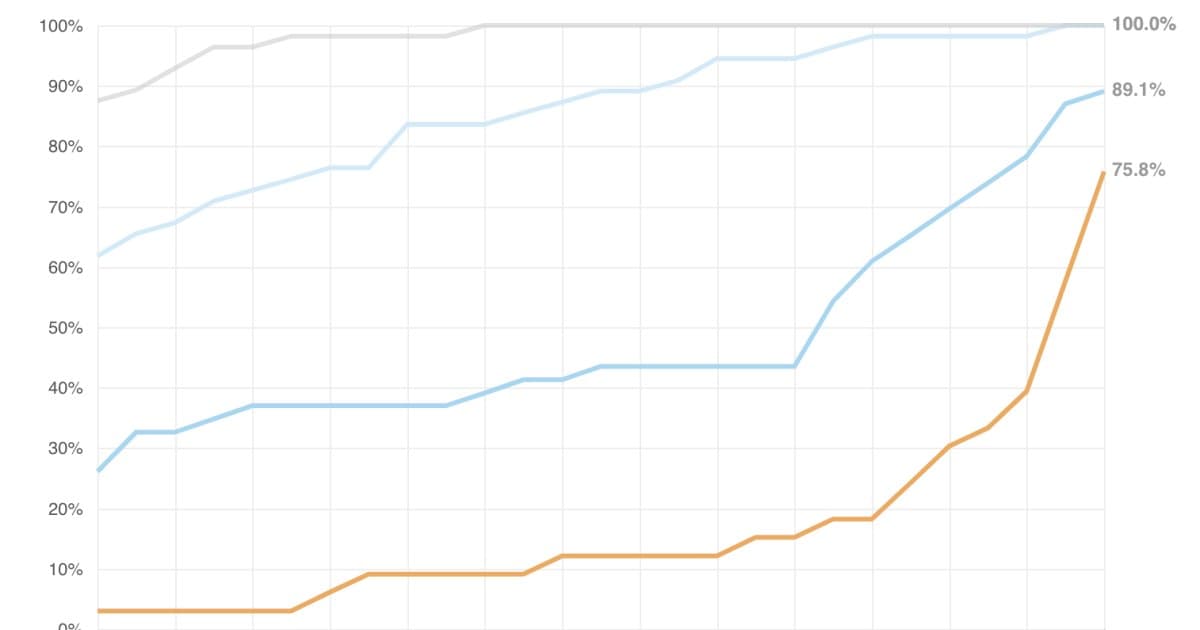
In Indonesia, obesity is now more prevalent than undernutrition among school-aged children, affecting 20% of the 60 million in that demographic. This shift has made Indonesia the most populous nation after China and the US to cross this threshold. Globally, obesity rates among school-age children overtook undernutrition rates for the first time last year, according to a UNICEF analysis.
Despite this, awareness remains low. "Indonesians have no awareness that obesity could make us sick," said Aman Pulungan, a senior paediatric endocrinologist. Diabetes rates have more than doubled among Indonesians over 15 since 2011, reaching 11.7%.
The health ministry acknowledges obesity is rising but does not consider it a top priority, focusing instead on prevention and early detection. The government has launched free health screenings for adults and children under six.
Treatment options are limited. Weight-loss drugs are helping in wealthier nations, but the WHO estimates only 10% of those who could benefit will have access by 2030 due to cost and production limits. In Jakarta, a paediatrician covered the cost of a weight-loss drug for Intan, a treatment that would have been otherwise unaffordable. The global costs associated with overweight and obesity are projected to reach $3 trillion by 2030.