Chipko Movement at 50: A Legacy of Hugging Trees and Shaping Environmental Policy
Marking 50 years of the Chipko movement, its origins, impact on policy and eco-feminism, and the call for a 'Chipko 2.0'.
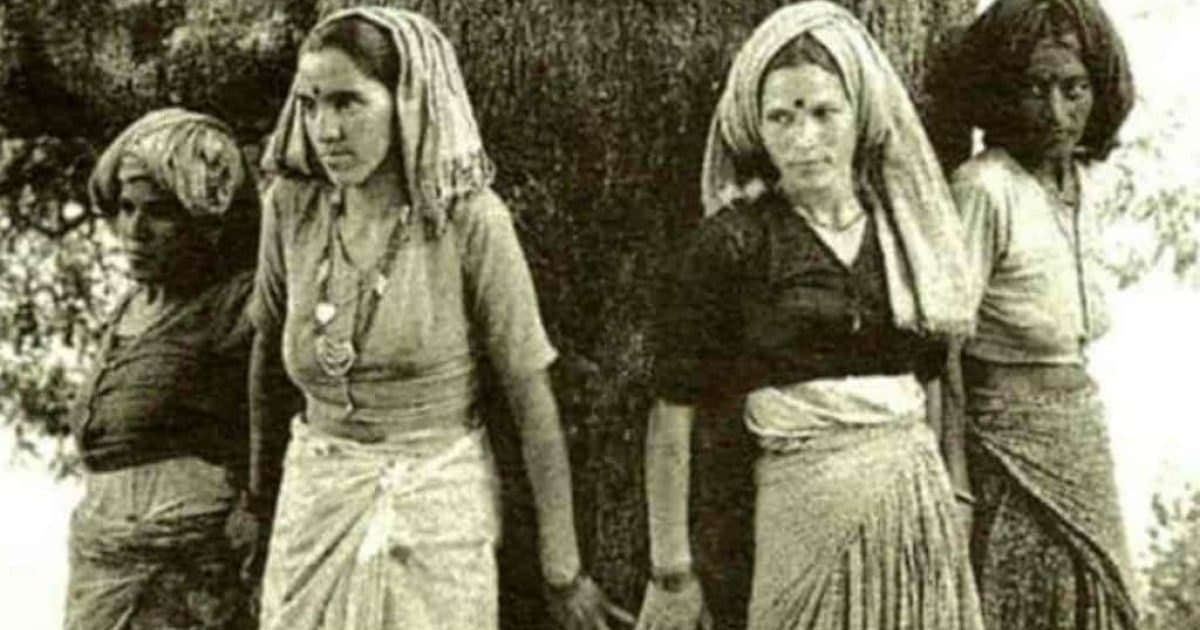
Five decades after villagers in the Himalayas first wrapped their arms around trees to block loggers, the Chipko movement stands as a landmark in India's environmental history. Originating in 1973 in the Chamoli district of Uttarakhand (then part of Uttar Pradesh), the non-violent protests spread to villages like Reni and Mandal, becoming a global symbol of grassroots resistance against deforestation.
Led by figures such as Sundarlal Bahuguna and Gaura Devi, the movement's name derives from the Hindi word for 'embrace' — a literal act of hugging trees to prevent their felling. While the 1970s protests brought the tactic to prominence, the movement's roots trace back to 1730, when Amrita Devi Bishnoi and over 300 others from the Bishnoi sect sacrificed their lives to protect Khejarli trees in Rajasthan.
The movement's impact extended far beyond the forests it saved. It raised public consciousness about deforestation, empowered local communities — particularly women — and challenged traditional gender roles by highlighting women's crucial role in conservation. Scholars link Chipko to the rise of eco-feminism, which explores the connections between ecological degradation and women's experiences, and recognises the value of traditional knowledge in sustainable practices.
Chipko also influenced policy, contributing to forest conservation frameworks and inspiring similar non-violent movements across India and the world. These include the Save Silent Valley movement in Kerala (1978), the Jungle Bachao Andolan in Bihar (1982), the Appiko movement in Karnataka (1983), and the Narmada Bachao Andolan (1985). More recent campaigns, such as the Save Dehing-Patkai movement in Assam (2020) and efforts to protect the Sundarbans, carry forward this legacy.
As the movement marks its golden jubilee, environmentalists argue that the spirit of Chipko is needed anew. The original protests were driven by slogans like 'We will endure sticks and bullets but save our trees.' Today, activists call for a 'Chipko 2.0' that unites society and the political class to fight not just for trees, but for clean air and pure water. They urge governments to craft a distinct environmental vision for urban India and to study successful measures elsewhere — such as China's 75% reduction in SO2 pollution over the last decade, achieved through controls on coal power plants, compared to a 50% increase in India over the same period.
Bahuguna, who passed away in 2021, popularised the slogan 'ecology is permanent economy' and championed the integration of ecological and economic concerns. His legacy — including a 56-day fast against the Tehri Dam project and a 4,800 km padayatra from Kashmir to Kohima — underscores the enduring relevance of the movement he helped lead. As India confronts a deepening environmental crisis, the lessons of Chipko remain as urgent as ever.