ISRO's EOS-05 Success Draws Praise, But Congress Raises Privatisation Concerns
ISRO's successful EOS-05 launch drew praise from the Congress, which also voiced concerns over the government's space programme policies.
The Indian Space Research Organisation (ISRO) achieved a significant milestone on Friday, September 4, 2026, with the successful launch of the country's first imaging satellite into a geosynchronous orbit. The mission, designated GSLV-F17, lifted off from the Sriharikota spaceport and placed the 2,367 kg EOS-05 satellite into its intended sub-geosynchronous transfer orbit approximately 18 minutes after launch. This marked ISRO's first successful mission of the year.
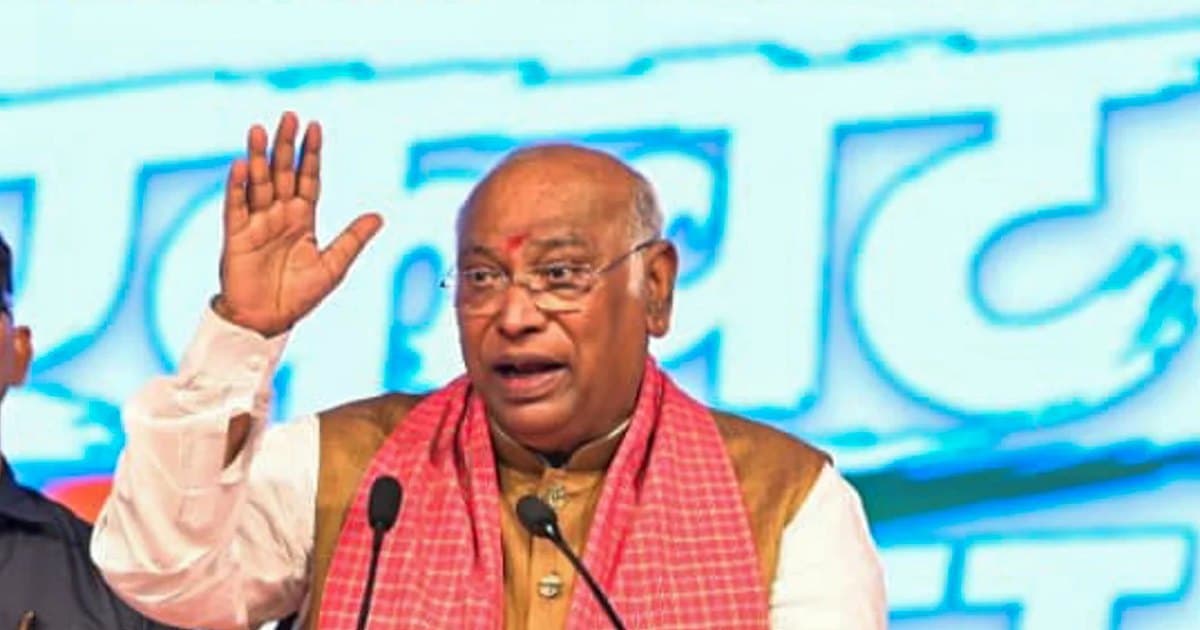
The achievement drew immediate praise from leaders of the Indian National Congress. Congress President Mallikarjun Kharge congratulated the ISRO team on the mission, stating that the EOS-05 satellite will strengthen India's Earth Observation capabilities. He expressed pride in the scientists and engineers whose work continues to advance India's space programme.
Congress General Secretary Jairam Ramesh called the launch a landmark achievement that will add to the nation's strategic capabilities. However, he also used the occasion to voice concerns about the space agency's future. Ramesh suggested that ISRO has been under pressure from various quarters and referenced a "radical role reconfiguration" being undertaken at the behest of the Prime Minister's Office, which he claimed will change the character of the institution.
Priyanka Gandhi Vadra also congratulated the ISRO team, calling the mission's success a proud moment for the nation.
The praise comes amid an ongoing political debate over the management of India's space programme. Last month, the Congress party accused the government of pursuing an "aggressive privatisation agenda" for the space sector, similar to its approach to nuclear energy. Ramesh had previously highlighted concerns about ISRO's future role, citing the agency's six-decade legacy built by pioneers like Vikram Sarabhai and Satish Dhawan. ISRO was founded in 1969 with Sarabhai as its first chairman.