DU's 2.77% Hostel Capacity Pushes Students Into Unregulated Private Housing
Delhi University has hostel seats for just 2.77% of its students, forcing most into private PGs. A recent collapse has exposed safety gaps and the need for affordable alternatives.
The collapse of a private hostel in Delhi's Satya Niketan area, which killed seven people, has reignited concerns about student housing safety in the national capital. The building, reportedly around 50 years old, housed paying guests, and preliminary assessments found alleged violations including the absence of a sanctioned building plan and a fire NOC.
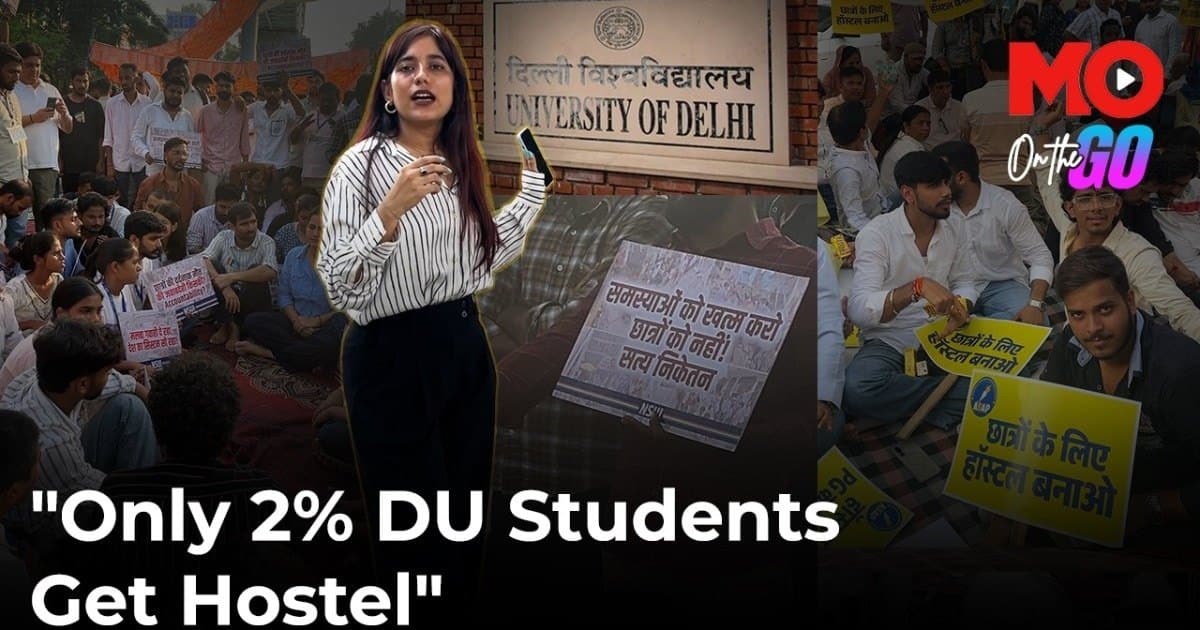
At the heart of the issue is a severe shortage of institutional accommodation. Delhi University has over 2.5 lakh regular students, but its 20 university-level hostels and 22 college hostels together provide only about 6,957 seats. This means just 2.77% of students can access university or college housing—roughly one seat for every 36 students.
This gap forces thousands, particularly those from other states, into the private market for PGs and rented rooms. Even local students often choose to live near campus to avoid long commutes. The demand has fueled a rapid expansion of private hostels in areas surrounding DU campuses.
Following the Satya Niketan tragedy, authorities have begun inspecting private accommodations, and over 200 hostels have reportedly been flagged as dangerous. While necessary for safety, this crackdown creates a new crisis. Students like Shivam, who lives near South Campus, face the stress of vacating their current homes with limited financial means. Finding a new place often involves fresh deposits and higher rents.
The situation highlights a missing link in the conversation: the need for safe, affordable alternatives. As one law student noted, even basic campus facilities remain a challenge, making the limited hostel seats even more coveted. The debate must extend beyond shutting down unsafe buildings to addressing the fundamental shortage of secure student housing in the city.