Indonesia's First Woman Central Bank Chief Sees Growth Reaching 6% in 2027
Indonesia's parliament appoints Destry Damayanti as the first female central bank governor; she projects 2027 growth of 5.2-6% and vows stability.
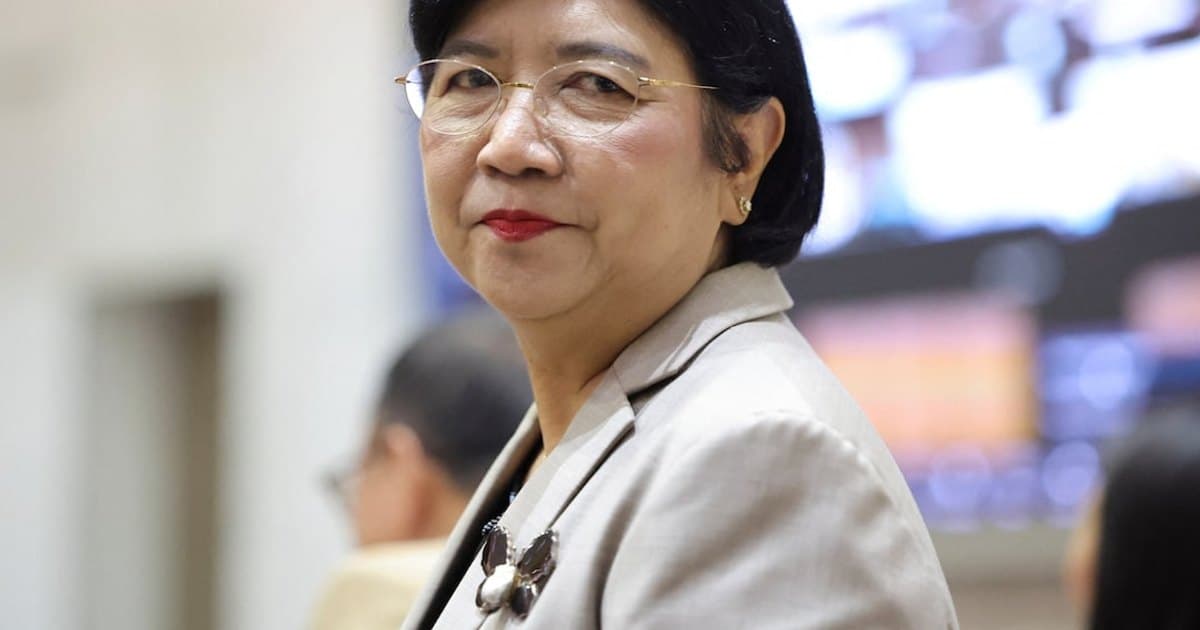
Indonesia's parliament on Tuesday approved Destry Damayanti as the first woman to lead the country's central bank, ending weeks of uncertainty after the surprise resignation of Governor Perry Warjiyo in July. The 62-year-old economist, who has served as senior deputy governor since 2019, was the sole nominee for the post.
Shortly after the vote, Damayanti told lawmakers that Bank Indonesia (BI) now projects economic growth of 5.2% to 6% in 2027, up from the previous 5.1% to 5.9% forecast. The upper end of the range matches President Prabowo Subianto's 2027 target, part of his broader ambition to lift growth to 8%. She attributed the improved outlook to rising confidence among businesses and increased investment, particularly from Danantara, the new sovereign wealth fund set up by Prabowo.
Damayanti also voiced support for two contentious government policies: centralising exports of strategic commodities under Danantara and tightening rules on retaining export earnings. She argued these measures would boost government revenue and strengthen the rupiah, which remains the worst-performing currency among emerging Asian peers. BI estimates the rupiah will average between 17,300 and 17,800 per dollar in 2027; it traded near 17,700 on Tuesday.
Speaking to reporters after the vote, Damayanti said stability would be her top priority, citing high global uncertainty. "We see that global uncertainty is still high, so it means stability will still be our priority," she said. She promised to work with the government to keep inflation in check while ensuring sufficient monetary liquidity to support growth.
Her appointment comes amid investor concerns about central bank independence under Prabowo, who has appointed his nephew as a deputy governor and backed legislation that strengthens BI's role in supporting growth. During her vetting, Damayanti acknowledged a "highly complex situation" but insisted cooperation with state agencies would not compromise the bank's autonomy.
Analysts say her continuity in monetary policy and good working relationship with the administration could ease tensions. BI raised interest rates by 100 basis points in May and June to defend the rupiah. In his first public remarks since stepping down, Warjiyo urged the new leadership to strengthen the bank's dual mandate of stability and growth.