Dissent Is Democracy's Lifeline, Warns Legal Scholar G. Mohan Gopal
Legal scholar G. Mohan Gopal warns that suppressing dissent under Article 19 threatens democracy, urging courts and peaceful protests to defend freedoms.
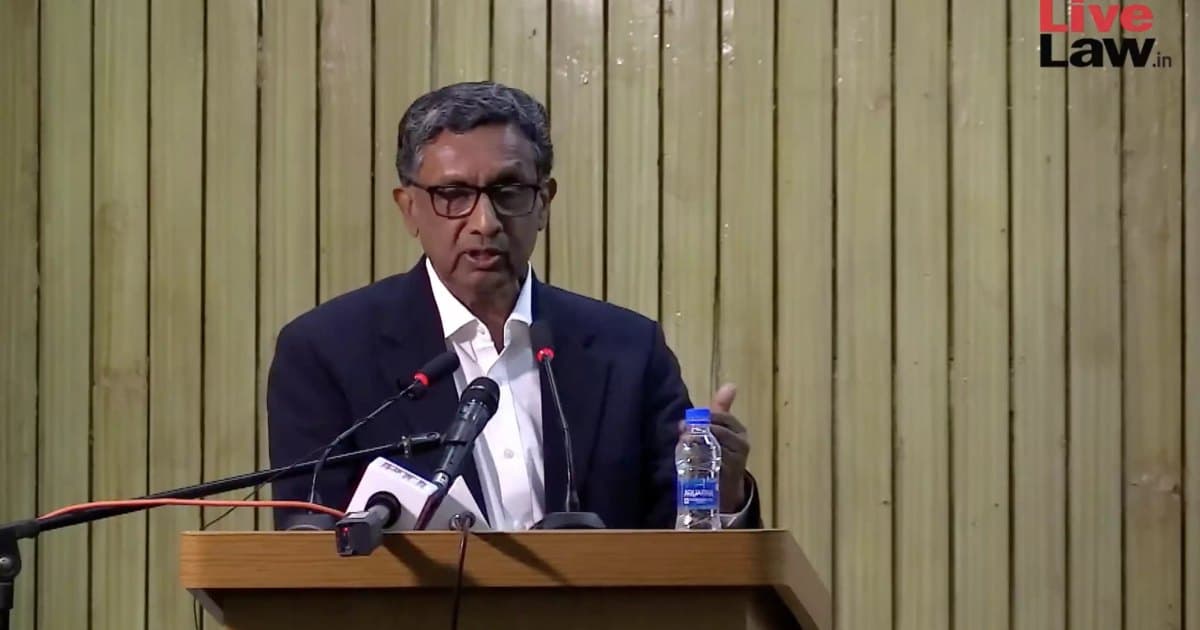
NEW DELHI: Describing divergent opinions as a "biological reality," legal scholar G. Mohan Gopal has cautioned that suppressing dissent poses a grave threat to Indian democracy. Speaking at a seminar on the "Right to Dissent and the Constitution of India" organized by the All India Lawyers' Union (AILU) State Committee, he argued that protests are born from dissent, which forms the bedrock of any free society.
Mr. Gopal, founder-chairman of the National Court Management Systems Committee of the Supreme Court of India, alleged that growing authoritarianism has led to "brazen attacks" on the channels of dissent guaranteed under Article 19(1) of the Constitution. He linked recent youth-led peaceful protests in New Delhi to this suppression, suggesting they signal that younger generations will no longer silently accept such curbs.
Warning that the current wave of peaceful agitation must not fade, he said its dissipation could cause the foundations of Indian democracy to crumble. He attributed the stifling of democratic voices to a prevailing "culture of obedience" and a mistaken belief that dissent leads to anarchy.
Mr. Gopal described the freedoms of speech, expression, assembly, and association under Article 19 as essential "oxygen" for democracy. He urged firm resistance against attempts to curtail these rights, which he called the ultimate weapons in a democratic struggle. While suppression weakens institutional integrity, he argued, open debate strengthens the nation.
He pointed to the judiciary as a "silver lining," noting that the Supreme Court and High Courts act as a bulwark protecting civil liberties. He also praised judges who exercise their own right to dissent through judgments on cases involving democratic principles. Unlike nations where constitutional safeguards exist only on paper, India's framework offers functional protections that citizens must actively secure, he added.
Prominent speakers at the event included AILU national president Bikas Ranjan Bhattacharya, general secretary P.V. Surendra Nath, national working president Sunkara Rajendra Prasad, and vice-president K. Elango.