Trump's East Potomac Golf Course Makeover Sparks Public Access Fears
Plans to turn Washington's historic East Potomac Park golf course into a world-class venue raise concerns over cost, access, and the park's character.
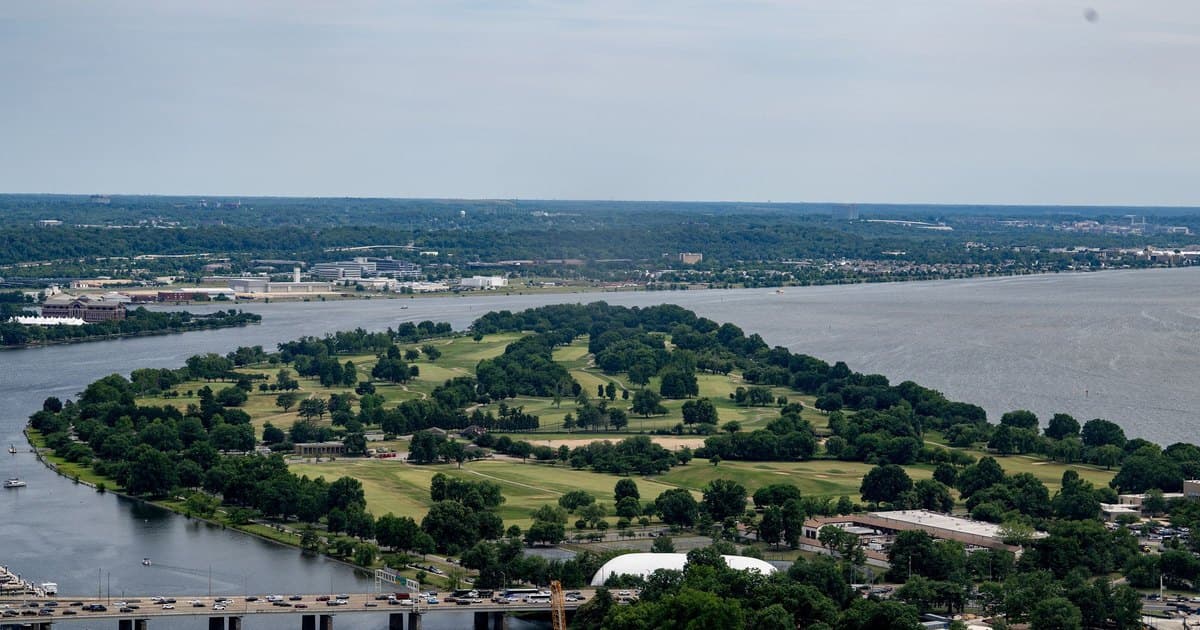
East Potomac Park in Washington, D.C., has long been a democratic space, where cyclists share the road with golfers and luxury SUVs park beside economy cars, all under the watchful eye of the Washington Monument. This blend of accessibility and affordability is what residents cherish most about the historic park.
However, President Donald Trump's vision to transform the park's golf course into a world-class venue has put that character at risk. The proposal, part of a broader redevelopment push in the capital, has residents worried about higher fees and the loss of a public space that has served a diverse community for over a century.
"It takes away the history of the links here as well as deprives people of having a reasonably inexpensive place to play that is readily accessible to everyone," said Joe Foley, a retiree who had just finished nine holes for $36, including a cart.
Established by a congressional act in 1897 for the "recreation and pleasure of the people," the park's golf course opened in 1919. The current redevelopment plan, which the President has discussed since late 2025, aims to create a venue capable of hosting major tournaments like the U.S. Open and the Ryder Cup. An image released by Interior Secretary Doug Burgum promised "championship-quality golf at affordable, highly discounted rates."
A lawsuit challenging the renovation argues the project violates the original congressional act. The administration has already removed dozens of trees, calling it routine maintenance, and debris from a demolished White House wing was dumped at the park, forming a mound that remains.
The park's users, from retirees to workers on a lunch break, are keenly aware that the landscape may be on borrowed time. Jason Levitt, a cyclist who has used the park for 20 years, hopes any changes will be "beneficial for everyone rather than just a certain type of golfer."
Outgoing Mayor Muriel Bowser acknowledged the city could "stand to attract world-class golf" but stressed that "we still need public access." For many, the park's core value lies in its role as an approachable, inclusive space within the city. As one golfer, Ryan Bates, put it, "The most important tenet of it is that golf should be an approachable game for people that come from all walks of life."