Eswatini Takes In Two More US Deportees Under Controversial Pact
Two Latin American migrants deported from the US have arrived in Eswatini, the fifth such group under a controversial third-country deal.
Two migrants from Latin America have arrived in Eswatini after being deported from the United States, marking the fifth group sent to the southern African kingdom under a bilateral arrangement that has faced sharp criticism.
The Eswatini government confirmed the arrival late Thursday, referring to the individuals as "third-party nationals" and stating that their transfer followed consultations and agreements between the two countries. Officials did not disclose the migrants' specific nationalities or indicate how long they would remain in Eswatini.
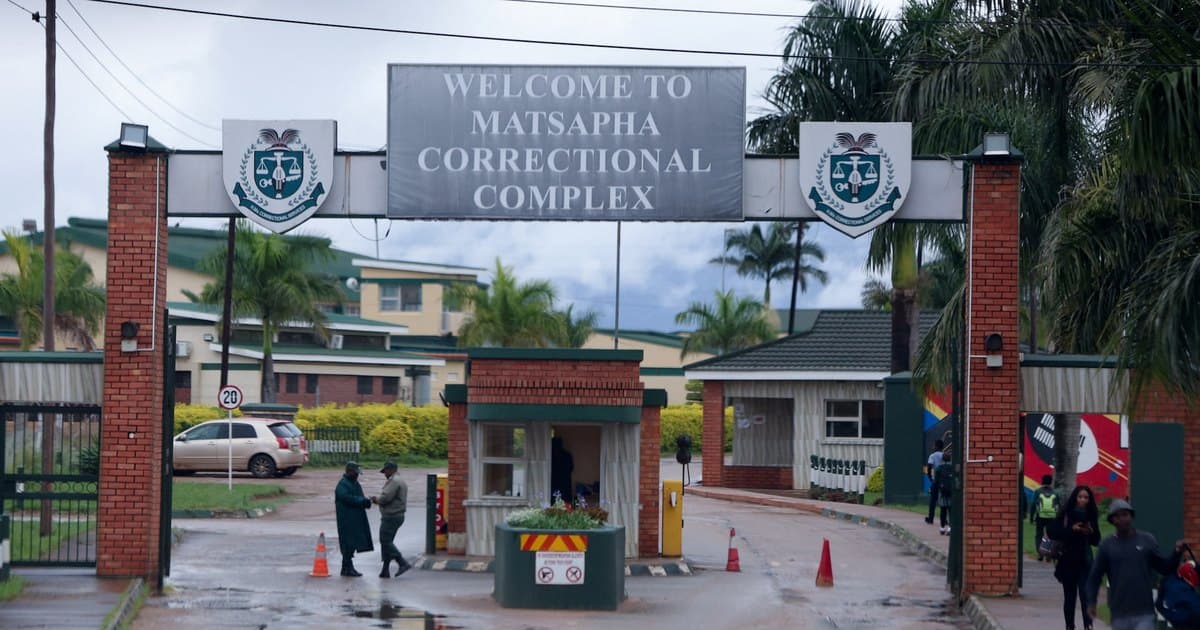
The first group of deportees arrived in July 2025. Since then, some have been repatriated to their home countries: a Jamaican man was returned in September, and a Cambodian man was released in March after five months in a maximum-security prison.
Advocates say the Trump administration has used a series of often-secret agreements to deport thousands of people to roughly two dozen countries that are not their own. Immigration lawyers describe the practice as a legal loophole that indirectly returns some asylum seekers to nations they originally fled.
An estimated 11 such agreements are with African countries, including Rwanda, Ghana, Cameroon, Congo, Uganda, Sierra Leone, and the Central African Republic. The choice of partners has drawn scrutiny because several, including Eswatini, South Sudan, and Equatorial Guinea, have poor human rights records. Eswatini's King Mswati III has long faced accusations of suppressing pro-democracy movements, sometimes violently.
Liberia has become a focal point of the expanding plan, agreeing to accept up to 1,200 migrants and welcoming its first group this month. Meanwhile, pro-democracy and civil rights groups in Eswatini have fought the secret deal through protests, lawsuits, and public opposition.