EU weighs fresh Russia sanctions after Leipzig drone attack blamed on Moscow
EU foreign ministers met in Ireland to discuss Russia's hybrid attacks and new sanctions after Germany blamed Moscow for a drone incident in Leipzig.
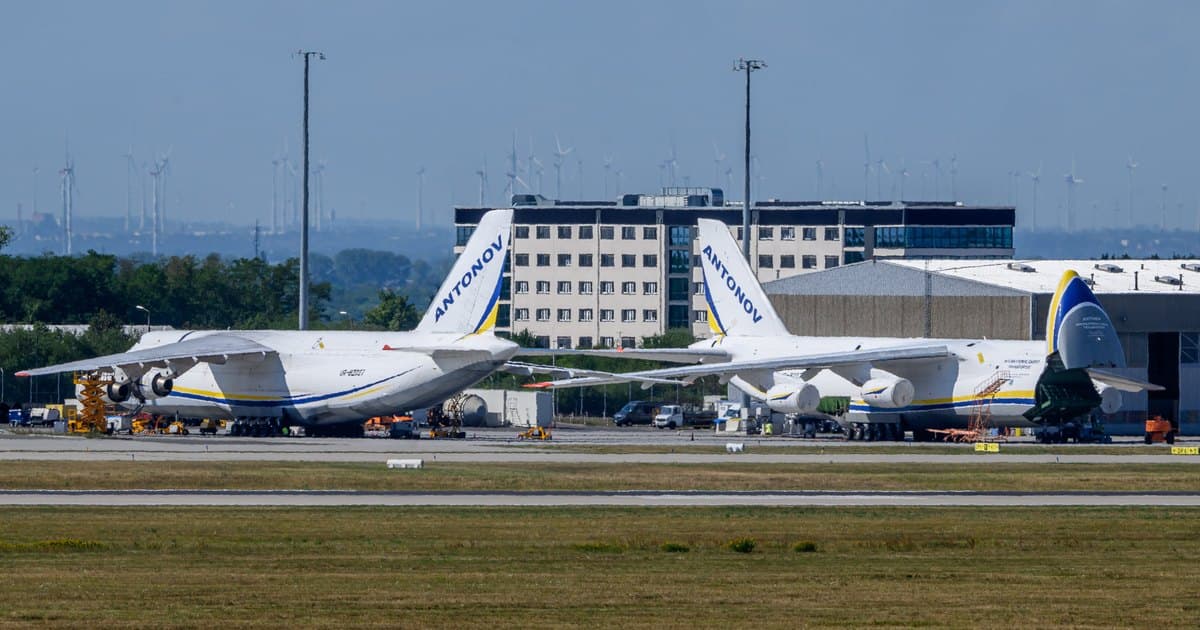
European Union foreign ministers gathered in Ireland on Wednesday to coordinate a response to what the bloc's foreign policy chief described as an attempted attack in Leipzig bearing the hallmarks of state-sponsored terrorism. The meeting comes a day after Germany formally concluded that Russia was responsible for the drone incident last month.
EU foreign policy chief Kaja Kallas said the escalation of Russian attacks on Ukraine requires Europe to deliberate on further action. She confirmed that work is underway on 1,600 sanctions listings targeting Russia's military-industrial complex, with the possibility of additional designations.
Several ministers arriving at the informal talks stressed the need for increased pressure on Moscow. Finland's Foreign Minister Elina Valtonen said the bloc should explore all available options for tightening sanctions. Lithuanian Foreign Minister Kestutis Budrys argued that Russia does not currently perceive a political cost for its hybrid activities, describing them as a cheap method to create societal tension. He asserted that the EU's goal is to demonstrate that such actions will neither intimidate member states nor deter support for Ukraine.
German Foreign Minister Johann Wadephul indicated that the EU would impose further sanctions on Russian individuals in the coming weeks, underscoring a commitment to maintaining high levels of support for Ukraine.
Ukrainian Foreign Minister Andrii Sybiha, who also addressed reporters, highlighted the daily attacks faced by Ukrainians and said Kyiv is working with European nations that possess interceptor missiles in storage. He expressed hope for strong decisions to help "close the Ukrainian sky."
The Leipzig incident has heightened concerns about Russian activities near EU borders. Luxembourg's Foreign Minister Xavier Bettel noted that while Europe was fortunate nothing happened in Leipzig, similar events have occurred in Romania and other countries. He observed that Russia shows no willingness to de-escalate, adding that the danger is moving closer to his country.
Separately, the Netherlands, Poland, Spain, and Sweden have called for renewed discussions on utilising Russia's frozen assets. EU countries immobilised approximately €210 billion of Russian central bank assets following the 2022 invasion, with the majority held at Euroclear in Brussels. A previous European Commission proposal to use these funds for a loan to Ukraine was rejected by Belgium, which cited insufficient guarantees against potential lawsuits and damage claims from Russia.