Climate Shift Pulls European Harvests Weeks Earlier
European crops are maturing and being harvested significantly earlier than in 2000 due to rising temperatures, with maize yields also suffering from drought.
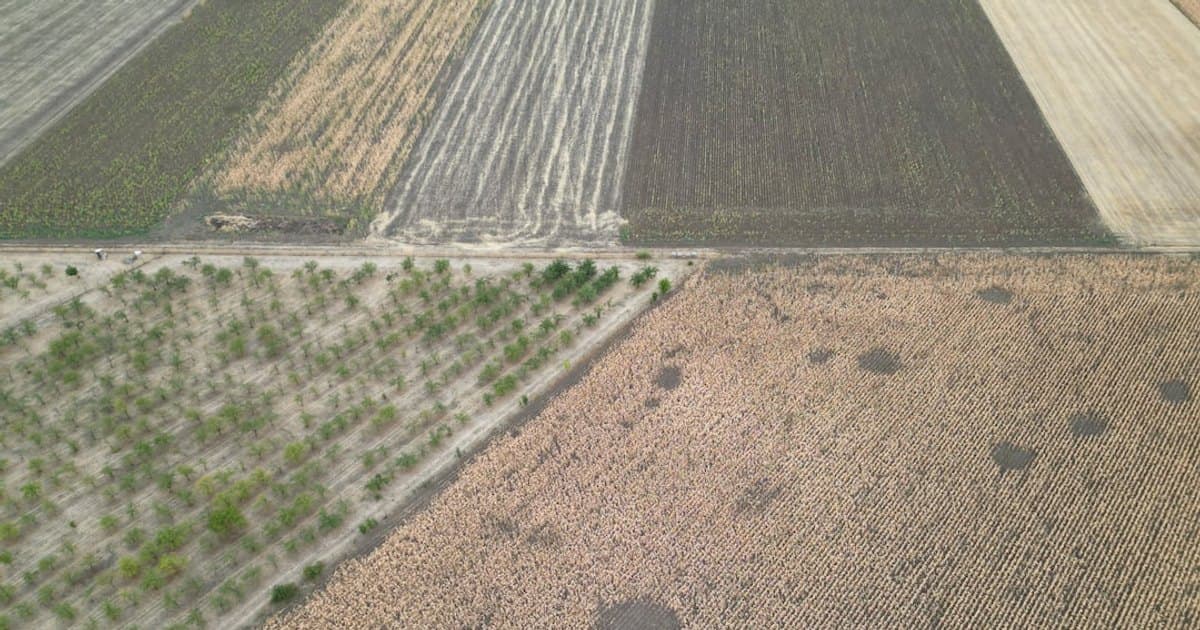
European farmers are bringing in their harvests weeks earlier than they did at the turn of the century, a shift driven by the continent's rapidly warming climate. Data from the European Commission indicates that winter wheat now reaches maturity in parts of the European Union up to 20 days sooner than in 2000, with rapeseed and maize showing similar trends.
For farmers on the ground, the change is unmistakable. Hermann Greif, a district president for the Bavarian farmers' union in Upper Franconia, notes that maize harvesting, which once began around mid-September, now often starts in the first days of the month. Wheat, traditionally cut during the second week of August, is sometimes harvested in the final days of July.
The acceleration is a direct consequence of warmer temperatures. As Sebastien Poncelet, a senior analyst at Argus, explains, plant development is driven by the accumulation of heat. Warmer conditions allow crops to gather these heat units faster, compressing their growth cycle and pushing maturity and harvest dates earlier.
Europe, the world's fastest-warming continent, experienced several heatwaves in 2026, some beginning as early as late May, which further accelerated the process.
Quality and Quantity Hit
While earlier harvests might seem beneficial, the extreme weather has taken a toll on both the quality and quantity of produce. Crops that depend on water during critical growth stages in spring and summer have struggled.
French data highlights the severity of the situation. As of August 31, only 27% of the country's grain maize crop was rated in good or excellent condition, the lowest score since records began in 2011. France's agriculture ministry has forecast a 35% drop in grain maize production compared to last year, with some analysts predicting output could halve, reaching levels not seen since 1976.