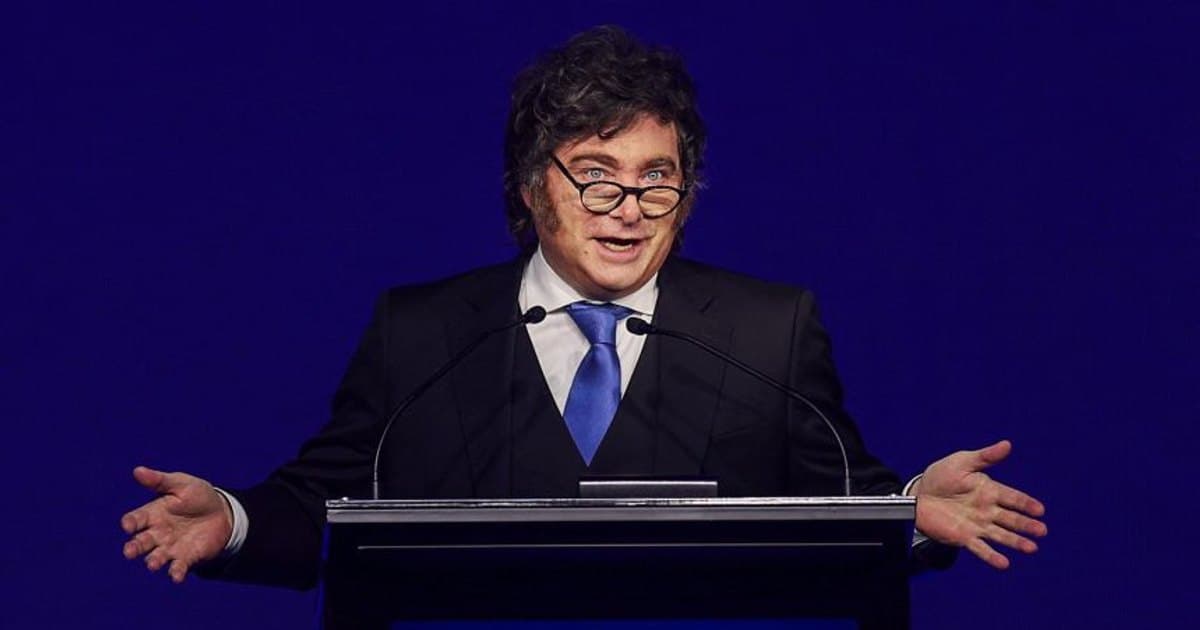
Argentina's Milei targets Falklands oil firms as sovereignty row deepens
Argentina plans sanctions on firms involved in Falklands oil development, escalating its long-standing sovereignty dispute with Britain.
Argentine President Javier Milei has escalated his country's claim to the Falkland Islands by announcing plans to sanction companies involved in oil development around the British overseas territory. The move targets firms operating without Argentine authorisation, including oil producers, shareholders, directors, and suppliers.
Milei specifically cited the Sea Lion oilfield, north of the islands, as a threat to Argentine interests. The proposed legislation would increase penalties for companies active in the region.
The Falklands, located about 500 km east of the Argentine mainland in the South Atlantic, have been administered by Britain since 1833. Argentina, which calls the islands Las Malvinas, argues it inherited them from Spain in 1816 and views the British takeover as an illegal colonial act. Britain maintains that the islanders, who number about 3,660 and are mostly of British descent, have the right to self-determination.
The dispute led to war in 1982 when Argentina's military junta invaded the islands. Britain's then-Prime Minister Margaret Thatcher dispatched a naval task force, retaking the territory after 74 days. The conflict killed 649 Argentines, 255 British service personnel, and three islanders.
A 2013 referendum saw 99.8% of Falkland voters choose to remain British, a result Britain cites as decisive. Argentina rejects the vote, claiming the population was implanted after 1833.
The United Nations lists the Falklands as a non-self-governing territory and has urged both nations to resume talks, without ruling on sovereignty. China has backed Argentina's claim, while the United States has generally avoided taking a position since 1982. However, former President Donald Trump's administration was reported to be reviewing that stance, questioning Britain's capacity to defend the islands.
Milei, despite his pro-U.S. posture and rapport with Trump, has ruled out the use of force, insisting the claim should be pursued through diplomatic channels.