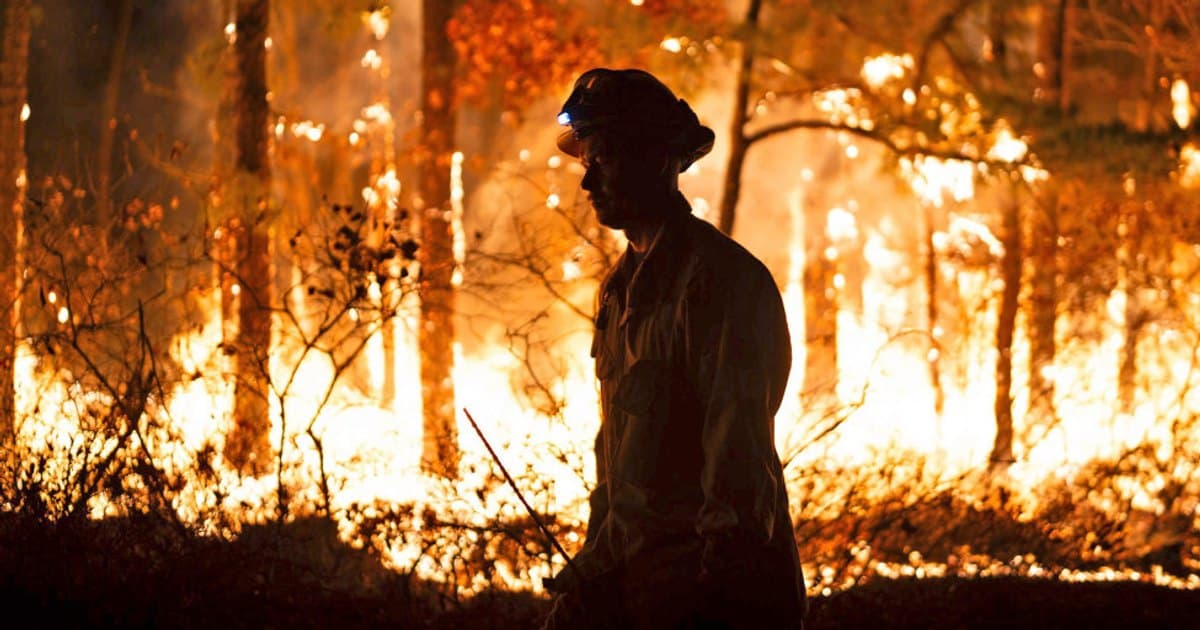
Forest Fires Intensify as Heatwave and Drought Grip the Nation
Record heat and drought fuel devastating forest fires, impacting biodiversity, wildlife, and communities nationwide.
Forest fires, also known as bush, vegetation, or wildfires, are uncontrolled fires that consume natural fuels in forests, grasslands, and other wildland areas. Their spread is driven by environmental conditions such as wind and topography. For a fire to sustain itself, it requires three elements: fuel, oxygen, and a heat source.
This year, a confluence of record-breaking temperatures, extended drought, and strong winds has created disastrous fire conditions. The country recently recorded its hottest day ever, with average highs reaching 41.9 degrees Celsius. The extreme heat follows the driest spring on record, with most regions experiencing significant rainfall shortfalls. This drought has severely impacted the nation's most productive agricultural areas, some of which are now ablaze.
The impact on biodiversity is profound. Forest fires are a significant source of emitted carbon, contributing to global warming and subsequent biodiversity changes. At regional and local levels, they alter biomass stocks and the hydrological cycle, with knock-on effects for marine systems like coral reefs. Smoke from fires reduces photosynthetic activity and poses health risks to humans and animals. Repeated burns are a key factor in the impoverishment of biodiversity, particularly in rainforest ecosystems, where vast areas can be replaced by grasslands.
Experts point to the Indian Ocean Dipole as a natural weather phenomenon contributing to the hot, dry spell. However, the overwhelming scientific consensus is that rising CO2 levels are warming the planet, leading to more frequent and intense fires. The impact on wildlife is devastating, with flames and habitat loss taking a massive toll. Key organisms like pollinators and decomposers are lost, slowing forest recovery. Vulnerable species face extinction, and territorial birds and mammals are displaced.
In Australia, the damage has been severe. Entire towns have been engulfed in flames, with thousands of homes destroyed and dozens of lives lost. Ecologists estimate that up to a billion animals have been affected nationwide, with a third of koalas in New South Wales potentially killed. While some species are spread out enough to avoid immediate extinction, others in niche environments could be wiped out entirely. The full extent of the damage will remain unknown until the fires are extinguished.