Fujitsu unveils diamond-spin quantum computer prototype with photonic circuits
Fujitsu's new diamond-spin quantum computer prototype uses tin-vacancy centers in photonic circuits, marking a step toward scalable quantum computing.
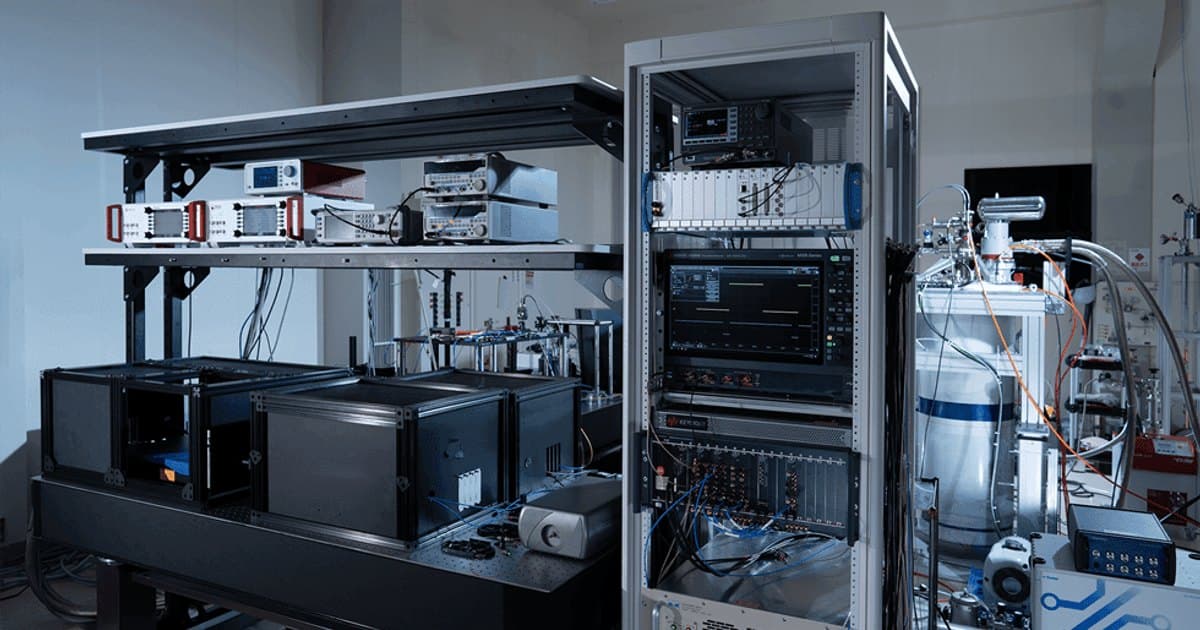
Fujitsu has announced the development of the world's first working prototype of a diamond-spin quantum computer that integrates tin-vacancy (SnV) centers into photonic integrated circuits. The device operates at -271.6°C, notably warmer than the typical -273.13°C required by superconducting quantum computers, and can be accessed through Fujitsu's Hybrid Quantum Computing Platform without requiring specialist expertise.
The prototype is the result of a collaborative research effort launched in 2020 with Delft University of Technology and QuTech, a leading quantum research institute based at TU Delft. The design aims to address one of the key challenges in quantum computing: scaling up the number of qubits. By using diamond-spin technology with photonic connectivity, the system offers high fidelity and efficient optical links, which are considered promising for building modular, larger-scale quantum machines.
Fujitsu's corporate executive officer and CTO, Vivek Mahajan, highlighted that the diamond-spin approach not only offers scalability on its own but could also be integrated with superconducting systems to expand their capabilities. The company has set a roadmap to achieve a 250 logical qubit system by fiscal 2030 and a 1,000 logical qubit system by fiscal 2035.
Dr. Kees Eijkel, General Director of QuTech, called the prototype a major milestone in the ongoing collaboration, while acknowledging that demonstrating the full scalability of diamond-spin quantum computing remains a long-term challenge. He expressed commitment to advancing the technology alongside Fujitsu.