Germany Probes Second Grid Sabotage as Hybrid Warfare Fears Mount
German authorities investigate a second suspected sabotage of power infrastructure within 24 hours, amid growing concerns over hybrid warfare and ahead of a key state election.
German police are investigating a second suspected act of sabotage against the country's electricity grid within 24 hours, heightening concerns over hybrid warfare just days before a key regional election.
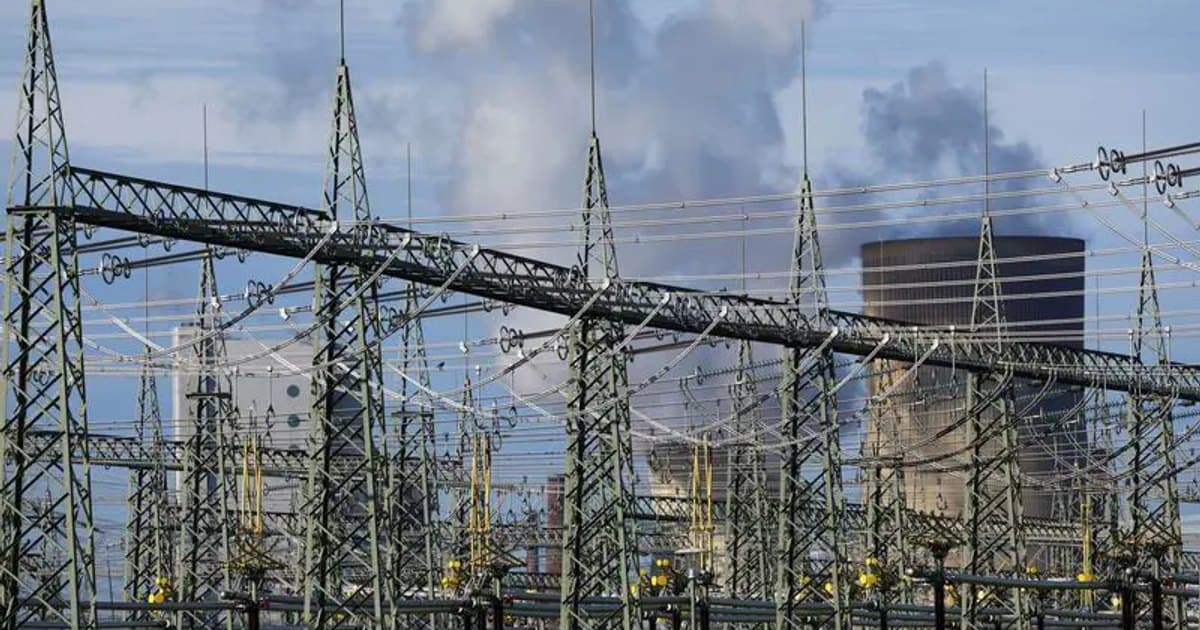
The latest incident occurred on Tuesday evening at a power substation near the western city of Bergheim. Local police described it as an act of "premeditated vandalism" on technical infrastructure. While the damage was not specified, authorities confirmed that the regional power supply remained unaffected.
Grid operator Amprion, majority-owned by energy giant RWE, stated that external interference was the likely cause. RWE added that the incident forced five lignite power plant units, with a combined capacity of 4,200 megawatts, to go offline. One 600-megawatt unit has since been reconnected.
This follows a separate attack on Tuesday in the eastern state of Brandenburg, where devices carrying conductive material damaged power lines at a critical high-voltage node. Brandenburg's interior minister, Jan Redmann, noted parallels between the two incidents but cautioned that investigations were at an early stage. He also drew a distinction from a 2024 arson attack by far-left extremists targeting Tesla's plant, while not ruling out any suspects.
The incidents come as Germany's domestic intelligence warns of a growing threat from hybrid warfare. Berlin has already blamed Russia for an attempted drone attack on a Ukrainian cargo plane at Leipzig/Halle airport last month, an accusation Moscow denies. The EU's foreign policy chief has called the airport incident a potential act of state-sponsored terrorism.
The timing is politically sensitive, with the far-right Alternative for Germany (AfD) polling strongly ahead of a state election in Saxony-Anhalt. The party advocates closer ties with Moscow and an end to German support for Ukraine.
Alexander Throm, head of the parliament's domestic affairs committee, called the frequency of disruptive incidents before the vote "extremely suspicious." Meanwhile, E.ON CEO Leonhard Birnbaum has acknowledged that fully protecting grid infrastructure is an "illusion," urging operators to make attacks as difficult as possible.
Redmann echoed the need for better protection, noting that attention has shifted from airports back to energy facilities. The investigations are ongoing.