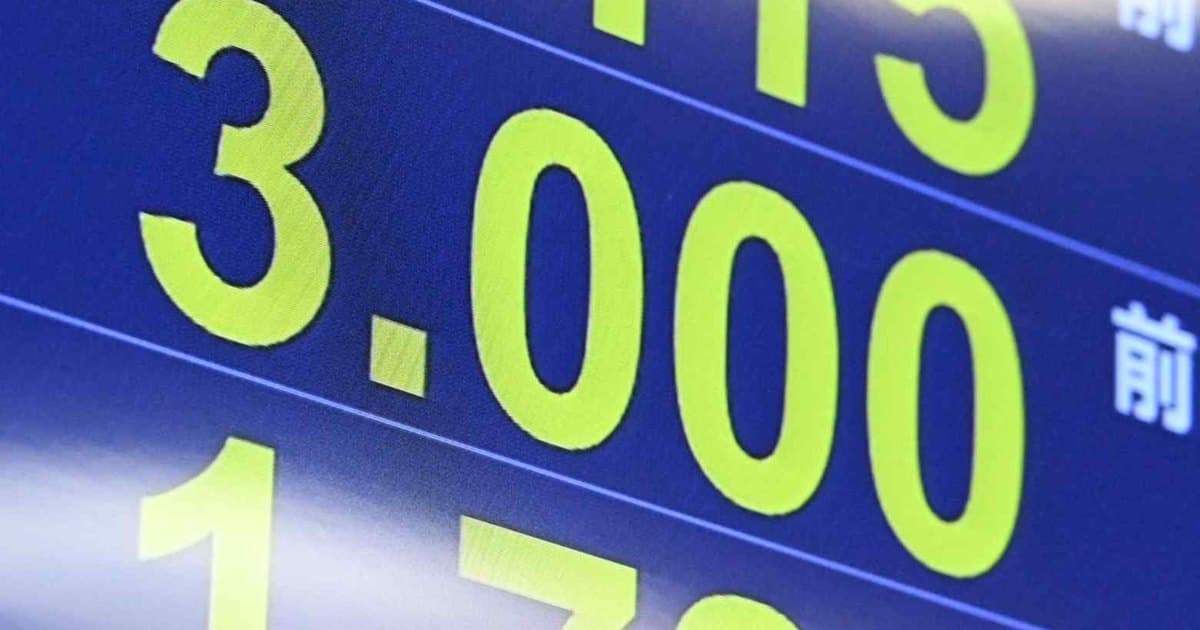
Global Bond Selloff Intensifies as Japan's 10-Year Yield Touches 3%
Japan's 10-year bond yield hit 3% for the first time since 1996, deepening a global debt selloff driven by inflation fears and tightening expectations.
A global selloff in government bonds deepened on Tuesday, with Japan's benchmark 10-year yield reaching 3% for the first time in nearly three decades. The move reflects growing investor anxiety over oil-driven inflation, potential interest rate hikes, and deteriorating fiscal conditions.
The yield on the 10-year Japanese government bond (JGB) touched 3%, a level not seen since September 1996. Shorter-dated maturities also surged, with the five-year yield hitting a record high of 2.26% and the two-year yield reaching a 31-year peak of 1.795%.
The pressure is not confined to Japan. US 10-year Treasury yields climbed to their highest since January of last year, reaching 4.786% during Tokyo trading hours. Australian 10-year yields posted their sharpest rise in five months, partly due to speculation that higher Japanese yields could reduce demand from Japanese investors for Australian debt. In Europe, Germany's 10-year yield, the euro zone benchmark, rose to 3.34%, its highest level since 2011.
Market participants attribute the broad selloff to a reassessment of central bank policy. Comments from policymakers, including the US Federal Reserve Chair and the Bank of Japan, have sounded increasingly hawkish, leading traders to price in faster rate increases. The rise in oil prices, stoked by Middle East uncertainty, has added to inflation worries.
Analysts say the move marks a significant shift for global fixed income. For years, JGBs served as a stable anchor for the asset class. Now, with yields rising, investors are demanding greater compensation for holding long-duration bonds as sovereign issuance and corporate funding needs compete for capital. A further rise in JGB yields could make carry trades less attractive and potentially drive a gradual re-allocation into Japanese assets.
The bond market is also absorbing a wave of new issuance, particularly from technology companies raising funds for AI-related investments. This comes at a time when the US debt load has surpassed $40 trillion, and Japan's ministries are expected to request a record initial budget for the next fiscal year. Higher yields increase the cost of servicing debt, creating a challenge for policymakers, especially in Japan, which has the developed world's largest debt pile.