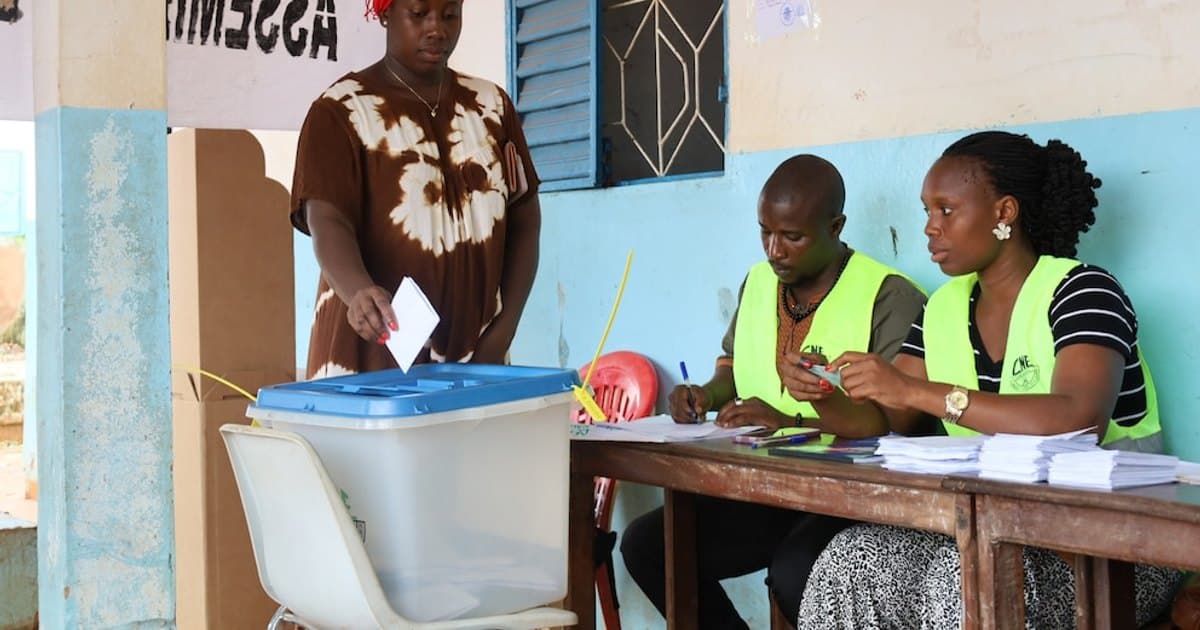
Guinea-Bissau votes to expand presidential powers, shrink parliament
Guinea-Bissau voters approved constitutional changes boosting presidential powers and cutting parliament seats, electoral officials said Tuesday.
Guinea-Bissau's electoral commission announced Tuesday that voters have approved sweeping constitutional changes, granting the president expanded powers and reducing the size of the national legislature. The referendum, held on Sunday, was designed to overhaul key provisions of the West African nation's constitution ahead of general elections scheduled for December.
The approved changes weaken the role of the prime minister, a position that previously shared executive authority with the president under a semipresidential system. The ruling military government had argued that this arrangement was a source of recurring political instability. The reforms also reduce the number of seats in the national parliament from 102 to 65.
According to data released by the National Electoral Commission, 70 percent of voters supported the constitutional changes, while 30 percent opposed them. Opposition parties had urged a boycott of the referendum, contending that the reforms would concentrate excessive power in the presidency.
The vote comes amid a wave of military takeovers across West Africa since 2020. In November of last year, Guinea-Bissau became one of several countries in the region to fall under military control when soldiers seized power following a disputed election.
Guinea-Bissau, a small nation of roughly 2.2 million people, possesses the highest proportion of natural wealth per capita in West Africa, according to the World Bank. Despite this, more than half of its population lives in poverty.