Hague Tribunal Upholds Indus Waters Treaty, Imposes Curbs on Indian Dam
A Hague arbitration panel ruled India must honor the Indus Waters Treaty, imposing curbs on a Kashmir hydro project. India rejected the ruling.
An international arbitration panel in The Hague has ruled that India must continue to honor the Indus Waters Treaty with Pakistan, delivering a significant legal victory to Islamabad while drawing a sharp rebuke from New Delhi.
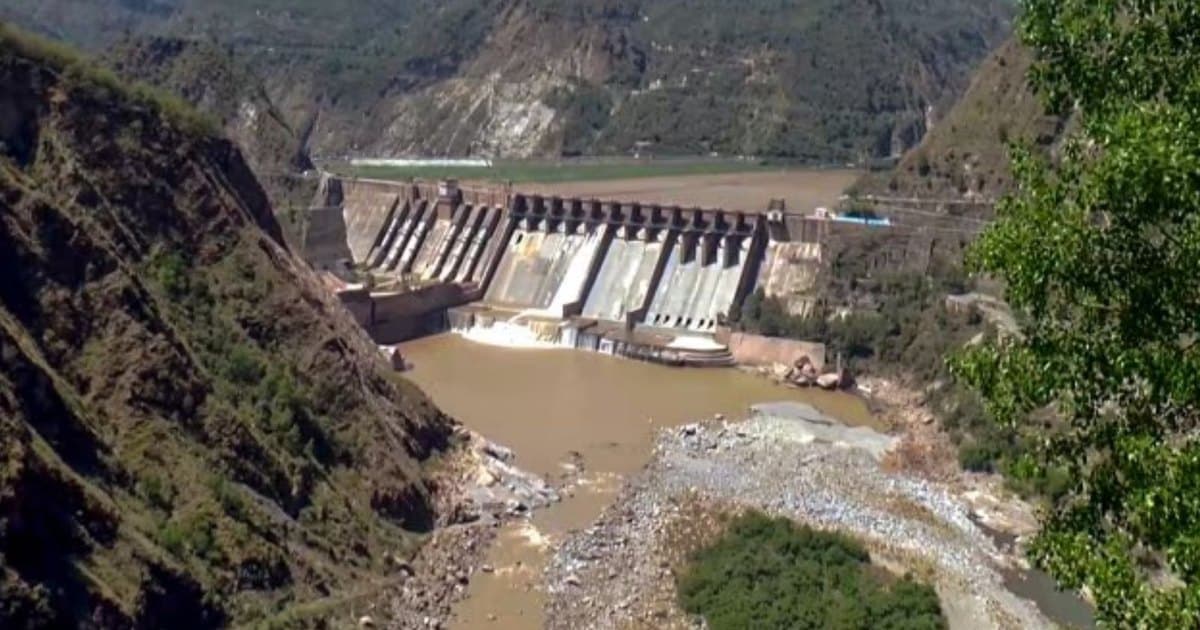
The tribunal, acting on a plea from Pakistan, imposed restrictions on the construction of a hydroelectric plant in disputed Kashmir. It prohibited India from pouring concrete beyond specified levels until a World Bank-appointed neutral expert issues a final decision on the project's design compliance. That expert determination is expected by July 2027.
Pakistan's government welcomed the findings, stating they reaffirm India's obligations under the treaty and validate the need for temporary restrictions on the Ratle dam project. Islamabad expressed hope the ruling could pave the way for renewed engagement under the pact's legal framework.
India's Ministry of External Affairs rejected the ruling outright, labeling the panel an "illegally constituted" body. The ministry asserted that India never recognized the tribunal's authority, did not participate in its proceedings, and maintained that its decision to hold the treaty in abeyance remains in force.
The Court of Arbitration, however, concluded that the 1960 treaty remains legally binding and contains no provision for unilateral suspension or termination. It stated that altering the agreement would require a new treaty accepted by both governments.
The World Bank-brokered treaty allocates the waters of the eastern Ravi, Sutlej, and Beas rivers to India, while granting Pakistan control over the western Indus, Jhelum, and Chenab rivers. India is permitted limited use of the western rivers, including the construction of run-of-river hydroelectric plants under specific conditions.
The ruling comes amid heightened tensions following an attack in Indian-controlled Kashmir in April 2025 that killed 26 people. India, accusing Pakistan of supporting cross-border terrorism, announced it was placing the treaty in abeyance. Pakistan denied involvement and offered to participate in an independent investigation.
The panel rejected India's position, finding that even if the allegations were true, they would not constitute a material breach of the water treaty, as the agreement does not address terrorism or the use of force. It also dismissed other potential grounds for suspension, including national sovereignty, climate change, and technological advances, stating none met the strict requirements of international law.