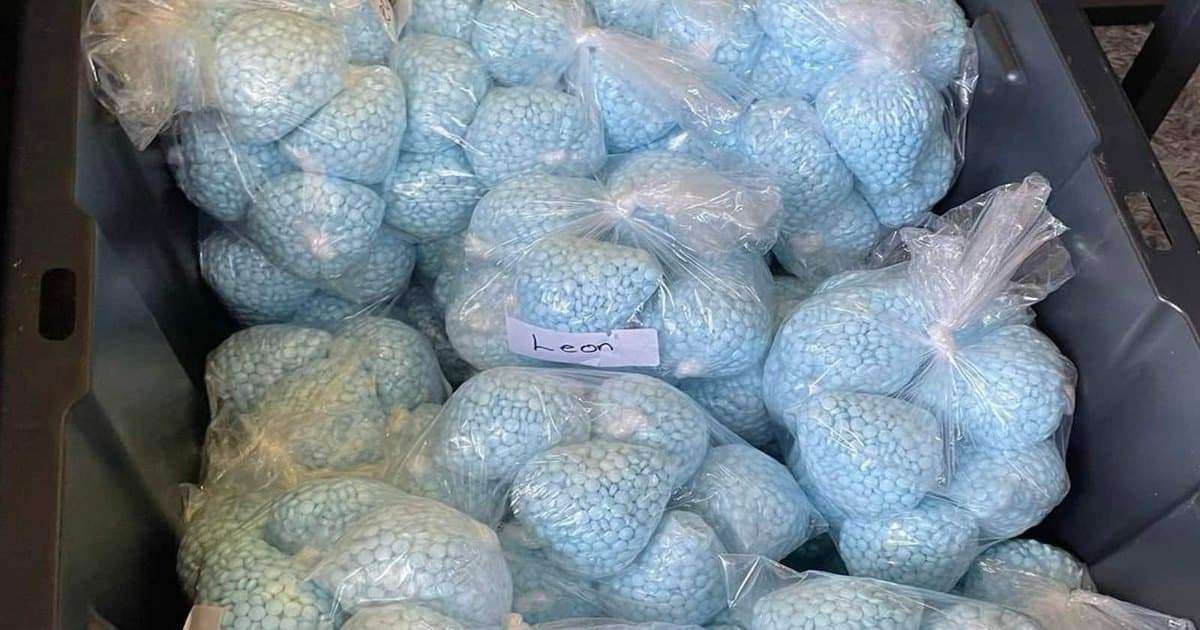
House Panel Probes DEA Policy That Let Fentanyl Shipments Reach Streets
House Republicans are investigating a DEA tactic that allowed large fentanyl shipments to reach streets while agents built cases.
The House Oversight Committee has opened an inquiry into a Drug Enforcement Administration (DEA) practice that allowed significant quantities of fentanyl to reach American streets while federal agents monitored the shipments to build larger criminal cases.
Committee Chairman James Comer, a Kentucky Republican, sent a letter on Monday to Attorney General Todd Blanche requesting documents tied to the strategy. The request focuses on the Biden administration's handling of fentanyl risk mitigation protocols, which Comer argues were relaxed from standards set during President Donald Trump's first term.
Comer's letter echoes concerns raised by New Mexico officials, a state at the center of the fentanyl crisis. DEA whistleblowers there have reported being instructed to stand down rather than seize hundreds of thousands of fentanyl pills, a practice that may have violated Justice Department rules meant to protect communities. New Mexico Attorney General Raúl Torrez has also filed a lawsuit against the Justice Department seeking similar records.
"While DEA agents may not have the resources to intercept every single known shipment, a policy directing them not to intercept significant shipments is unconscionable and undoubtedly resulted in considerable harm and lives lost," Comer wrote.
The inquiry follows investigative reporting that documented DEA agents in New Mexico between 2023 and 2025 repeatedly monitoring major fentanyl shipments that were allowed to reach the streets. This occurred during the deadliest drug epidemic in U.S. history and amid the DEA's public awareness campaign, "One Pill Can Kill," which highlights the lethal potential of even a few milligrams of the substance.
The earlier policy, adopted in 2017, instructed agents to seize or otherwise prevent fentanyl distribution as soon as practicable. The Justice Department rewrote those rules in 2024, giving law enforcement broader discretion to delay action to preserve investigations.
Reporting indicates the practice continued into Trump's second term, including during the run-up to the largest fentanyl bust in DEA history, announced in May 2025. That operation resulted in the seizure of roughly 3 million fentanyl pills, but even larger quantities went unseized as agents in Albuquerque watched from helicopters and surveillance vehicles while couriers entered hotels with backpacks believed to contain up to 100,000 pills each.
A former DEA supervisor who worked on that case and is now a whistleblower said the network could have been dismantled six months earlier. The Justice Department's internal watchdog has announced a nationwide review of government policies and wiretap investigations to determine whether the tactic has been used elsewhere.
DEA Administrator Terry Cole defended the agency's approach, saying investigations are long-term, complex, and conducted under the law, while welcoming the inspector general's review.