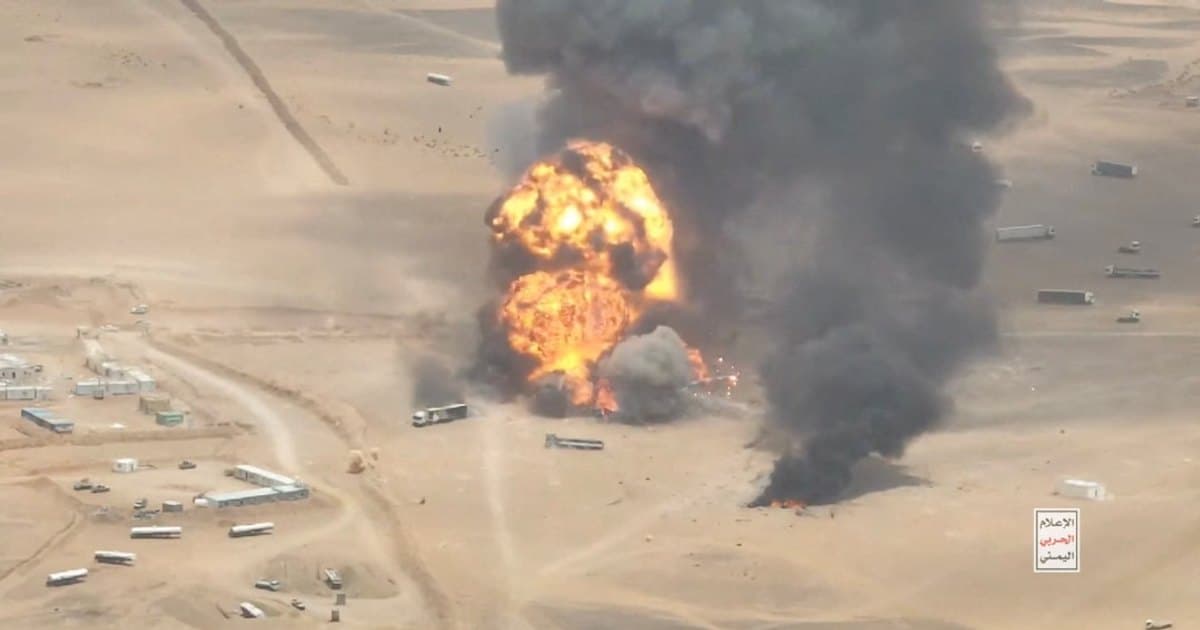
Houthi Strikes on Saudi Energy Sites Wound Dozens, Push Oil Prices Higher
Houthi attacks on Saudi energy facilities wound dozens and send oil prices to six-week highs amid Iran-US tensions.
Yemen's Iran-aligned Houthi movement launched attacks on energy facilities and cities in Saudi Arabia on Tuesday, wounding more than 70 people and raising fears that the conflict with Iran could spill into a wider regional war. The Saudi energy ministry reported fires at some facilities, with emergency teams rushing to contain the blazes.
The attacks, which targeted four cities in southern Saudi Arabia, come after Iran warned that Gulf energy infrastructure, including US oil and gas interests, was vulnerable. The strikes pushed global oil prices to their highest levels in over six weeks.
A spokesperson for the Saudi-led coalition, Colonel Turki al-Malki, said the coalition would take all necessary measures to deter what he called a "terrorist militia" and confront its hostile approach. The Houthis, who control large parts of Yemen, have been launching attacks toward Saudi Arabia since declaring a naval blockade against Riyadh in July.
Separately, Mohsen Rezaei, secretary of Iran's Supreme National Security Council, reiterated threats on social media, saying Washington had received a "clear warning from Iran's new missiles." He said economic warfare would be met with a maritime exclusion zone across the Persian Gulf and that Iran's operational posture toward US warships and bases had been "fundamentally recalibrated."
Iran has vowed to announce a new restricted shipping zone in the Gulf, though details remain unclear. The US military said its warships had evaded any missile attacks.
The conflict, which began with US and Israeli strikes on Iran in late February, has disrupted shipping through the Red Sea and slowed vessel traffic through the Strait of Hormuz, a critical chokepoint for global oil and gas supplies. About one-fifth of global oil and LNG shipments passed through the strait before the war.
US President Donald Trump said on social media that oil prices would drop "precipitously" when the US wins the war with Iran, predicting gasoline prices would fall below two dollars a gallon. The ongoing conflict has become a political liability for Trump's Republican Party ahead of November congressional elections.