Houthis Seize Mocha, Push Toward Bab el-Mandeb as Oil Prices Surge
Houthi forces seized Yemen's Mocha port and advanced to the Hanish islands, raising fears over the Bab el-Mandeb Strait as Brent crude hit $105.
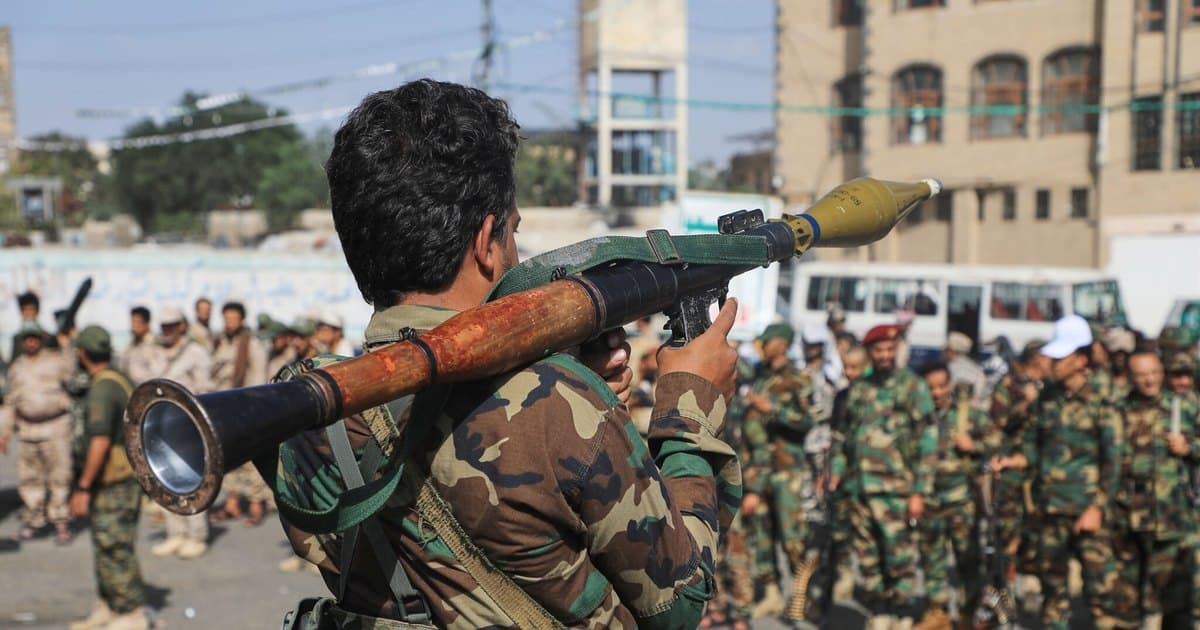
Iran-aligned Houthi forces captured the Yemeni port city of Mocha on Thursday and pushed down the Red Sea coast toward strategic islands, according to Yemeni government military sources. The advance gives the group greater leverage over the Bab el-Mandeb Strait, the southern gateway to the Red Sea and one of the world's busiest shipping lanes.
Government forces and their allies were repositioning south to Dhubab, a coastal town facing the island of Perim directly on the strait, the sources said. Control of Dhubab and Perim is considered key to dominating the waterway.
The Houthi-run humanitarian operations coordination centre said Red Sea navigation remained safe for all shipping companies except Saudi vessels. Saudi Arabia, the world's largest oil exporter, has depended on the Red Sea route since the Iran conflict effectively shut the Strait of Hormuz, which previously carried about a fifth of global oil supplies.
Houthi spokesperson Mohammed Abdulsalam described the group's operations as defensive and said they would stop once attacks on Yemen ceased, without giving further details.
A stranglehold on Bab el-Mandeb would hand Iran a second critical chokepoint opposite Hormuz, potentially cutting another major transit corridor and driving energy prices higher. Brent crude jumped as much as 4% on Thursday to $105 a barrel on supply concerns.
The Houthis entered the war alongside Iran with an attack on Israel in March, largely stayed quiet for months, then declared a naval blockade against Saudi Arabia in July and intensified strikes on southern Saudi Arabia this month. Saudi civil defence authorities issued emergency alerts in Khamis Mushait for the fourth time in 24 hours as attacks continued.
Pakistan delivered a Saudi warning to Iran urging it to restrain its Houthi allies, according to Saudi, Pakistani and Iranian sources. A senior Iranian official confirmed the message was conveyed on Tuesday and said Tehran responded that it does not control the Houthis.
The Yemen fighting coincides with the largest declared wave of tit-for-tat attacks on Gulf shipping by Iran and the United States since the war began in February. The Houthis, part of Iran's regional "Axis of Resistance," have also targeted Israel with drones and missiles and attacked commercial shipping in the Red Sea over the Gaza war.
President Donald Trump said he expected the war to end after November's midterm elections. "I think war is going to end immediately after the election because they can't hold out any longer. They're desperate to try and affect the election," he told reporters on Wednesday. He also said in a midterm Republican convention speech that the U.S. might strike Iran's Pickaxe Mountain, a fortified site housing two deep tunnel complexes near the damaged Natanz enrichment facility.
The U.S. and Israel launched strikes on Iran in February partly over concerns about Tehran's nuclear programme, which Iran says is peaceful. Washington had recently cited progress escorting tankers through the Strait of Hormuz, but renewed fighting this month appears to have reversed that trend. Preliminary ship-tracking data showed just seven vessels transited the strait on Wednesday, half the 10-day average. Iran said on Wednesday it had attacked 10 ships near Hormuz after the U.S. sank five Iranian oil tankers.