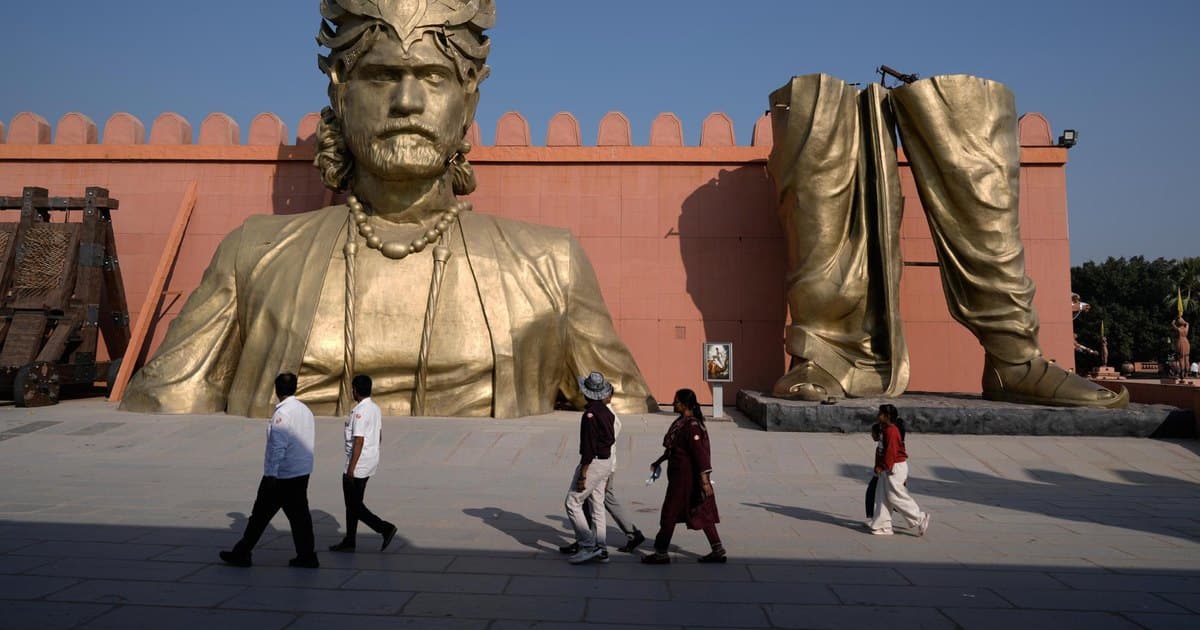
Beyond language: How Hyderabad became a melting pot for pan-Indian cinema
Hyderabad's cinema culture has evolved into a multilingual hub, with audiences flocking to films in Telugu, Tamil, Malayalam, Kannada, and even anime.
In Hyderabad's film circles, a familiar saying captures the city's unique movie-going spirit: if the promotional material, director, and cast spark enough curiosity, audiences will not hesitate to book a ticket, regardless of the language on the poster.
This enthusiasm is currently on full display. The Telugu film Irumudi, along with the Telugu and Tamil versions of DC and Vishwanath & Sons, are drawing steady crowds. The Malayalam film Bethlehem Kudumba Unit opened to a warm reception, with its Telugu-dubbed version set for release. Meanwhile, the Kannada film Toxic has debuted to mixed reviews.
While Telugu, Hindi, and English films have long thrived in this multicultural city, the post-lockdown era has seen a dramatic expansion. The widespread availability of subtitles for theatrical and streaming releases has opened the doors for Tamil, Malayalam, Kannada, and even Bengali, Marathi, and Assamese films to find screens in Hyderabad.
The Anime Phenomenon
This openness extends beyond Indian languages. The anime film Demon Slayer: Kimetsu no Yaiba The Movie: Infinity Castle played to packed houses, with screenings starting as early as 5:30 a.m. at major multiplexes. Released in Japanese, English, Telugu, Tamil, and Hindi, it tapped into a deep well of fan enthusiasm.
Producer Elahe Hiptoola notes that this is a natural progression for a region where cinema is woven into the cultural DNA. She recalls a time when theatres were built along bus routes in the erstwhile Andhra Pradesh, with the Nizam territory contributing significantly to a film's revenue. Iconic venues like Sangeet and Sterling screened English films, while others in Secunderabad catered to English-speaking audiences, and those in RTC Cross Roads and Himayat Nagar focused on Telugu cinema.
The Indie Beginning
Hiptoola points to Nagesh Kukunoor's Hyderabad Blues (1998) as an early milestone. Despite being a niche film released before the multiplex boom, a single show ran for 33 weeks in the city. The primary barrier back then was the lack of subtitles, a hurdle that has since been removed, making language a non-issue for today's audiences.
Quality Over Language
Director Sailesh Kolanu believes that compelling promotional content and star effort can transcend language barriers. He notes that dubbed films featuring relatively new actors, such as Premalu and Youth, have successfully drawn audiences. However, he stresses the importance of quality dubbing, urging filmmakers to ensure that voices and intonations suit the original performances.
"The audience is willing to patronise films in theatres; it is up to us to deliver content that is worth their time," Kolanu says, highlighting that viewers value the half-day commitment a theatrical outing requires.
While the industry has faced dry spells, the last two months have seen a string of successes. The introduction of premium large-format screens with advanced sound systems is also catering to audiences seeking a top-tier experience, ensuring that the city's love affair with cinema, in all its linguistic diversity, continues to grow.