Iceland to Forge New Security Ties After Voters Reject EU Talks
Iceland's foreign minister says the country will seek new security partnerships after voters rejected EU accession talks.
Iceland will look beyond the European Union to strengthen its security after voters rejected a government proposal to reopen EU membership talks, the country's foreign minister said on Monday.
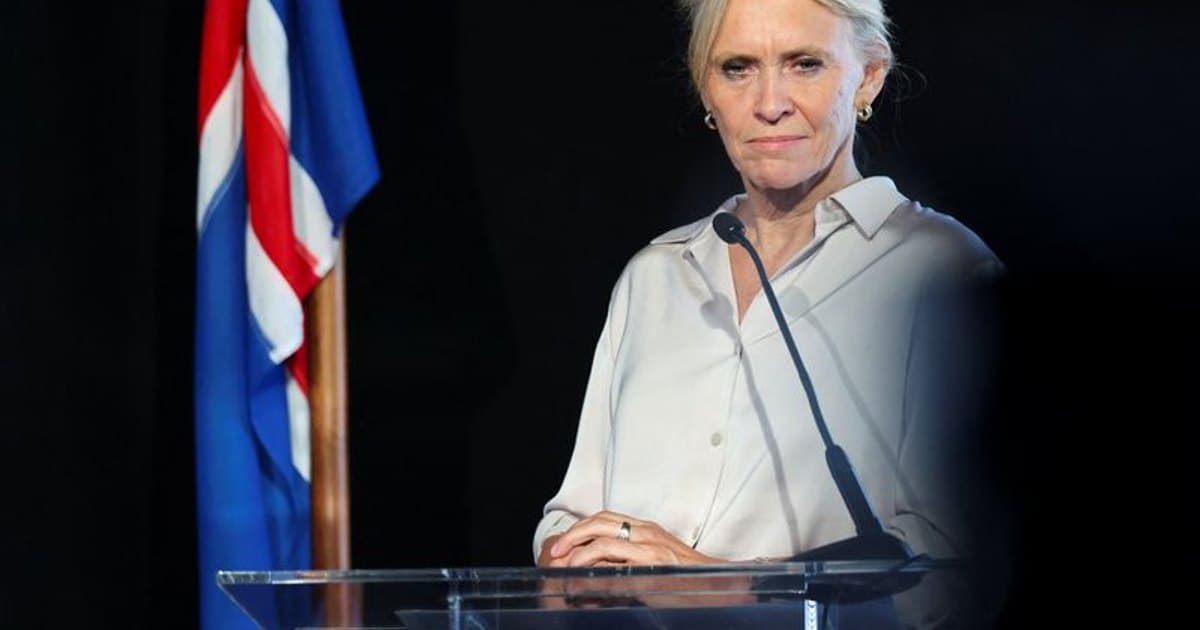
Thorgerdur Gunnarsdottir told reporters in parliament that the referendum result does not change the geopolitical realities facing the island nation. "We didn't vote away the geopolitical situation, it's still there and we will have to find other ways to increase our security," she said.
The comments come after 52.8% of voters in Saturday's referendum opposed the government's plan to hold negotiations with Brussels, with 47.2% in favour. Turnout was high at 82.5%.
The security debate in Iceland has intensified in recent months, partly due to U.S. President Donald Trump's repeated interest in acquiring neighbouring Greenland and his questioning of Washington's commitment to NATO.
Gunnarsdottir said the EU remains a vital partner and that cooperation will be deepened. She pointed to existing bilateral agreements with Finland and Norway, and mentioned Japan and Canada as important partners for future security arrangements.
Iceland, an Arctic nation of about 400,000 people, is a NATO member but has no standing army. Its defence relies on a 1951 bilateral agreement with the United States and its NATO membership.
The foreign minister also noted a silver lining: the referendum has united all Icelandic political parties behind the European Economic Area (EEA) agreement, which has governed Iceland's access to the EU's single market since 1994 without full membership.