Indonesia's New Commodity Exchange Aims to Influence Global Prices
Indonesia's planned commodity exchange, set for 2027, aims to influence global prices, with the regulator targeting influencer status first.
Indonesia's newly appointed commodities regulator, Sarjito, said the country's planned commodity exchange will initially aim to become a "price influencer" on global markets, rather than a price taker, with the ultimate goal of becoming a price maker.
Speaking to reporters on Wednesday after being sworn in as the Financial Services Authority's chief commodity trading supervisor, Sarjito said the bourse, scheduled to launch on January 1, 2027, should set a lower target in its early stages. "So in the beginning, we don't want to become a price taker, but we want to become a price influencer, become an exchange that can be a reference," he said. "At the end, of course we must be able to and must be confident to become a price maker," he added, without providing a timeline.
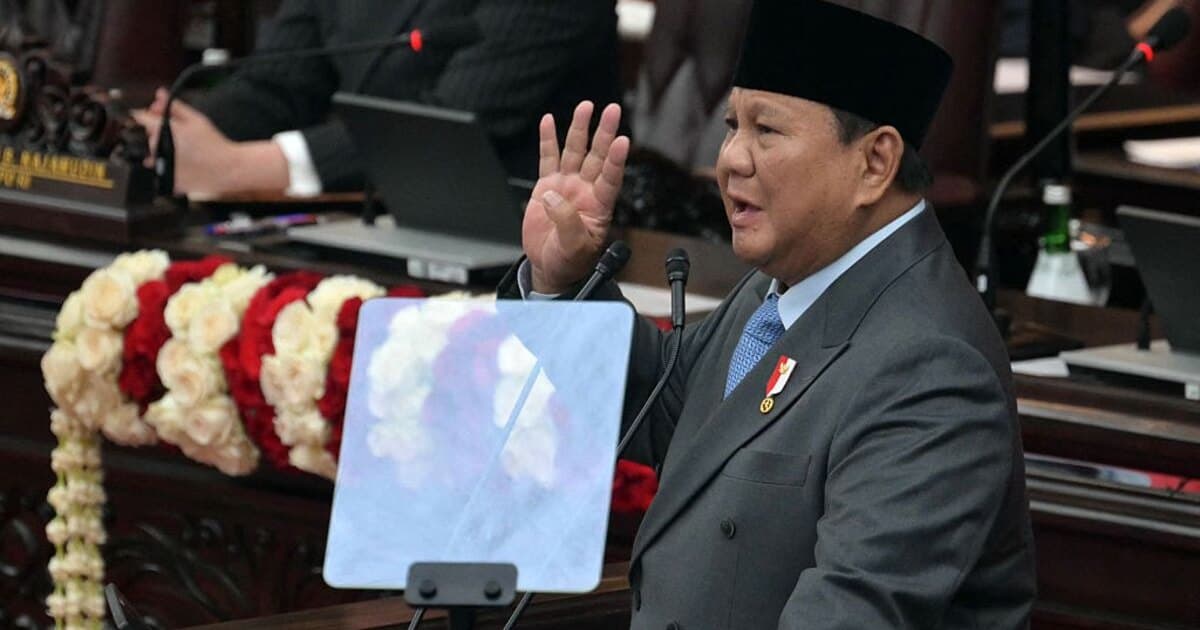
The exchange is part of President Prabowo Subianto's broader push to expand state control over the country's vast natural resources. In a recent parliamentary speech, Prabowo said Indonesia would rather retain its commodities than sell them too cheaply.
Indonesia is the world's largest exporter of thermal coal, palm oil, and nickel, and a major seller of tin, copper, alumina, and coffee beans. Its policies already influence benchmark prices on Malaysia's derivatives exchange for palm oil, while its nickel production surge has pressured prices on bourses in London and Shanghai.
However, analysts and industry veterans have cautioned that mandatory trading on the exchange could backfire, driving buyers elsewhere if price differentials with other benchmarks become too wide.
Sarjito, who secured parliamentary approval last month, said the bourse would also help tackle tax leakage by addressing under-invoicing and transfer pricing by exporters. His short-term priority is to complete commodity trading regulations before a September 17 deadline. Details on which commodities will be traded are yet to be decided, pending a presidential regulation.