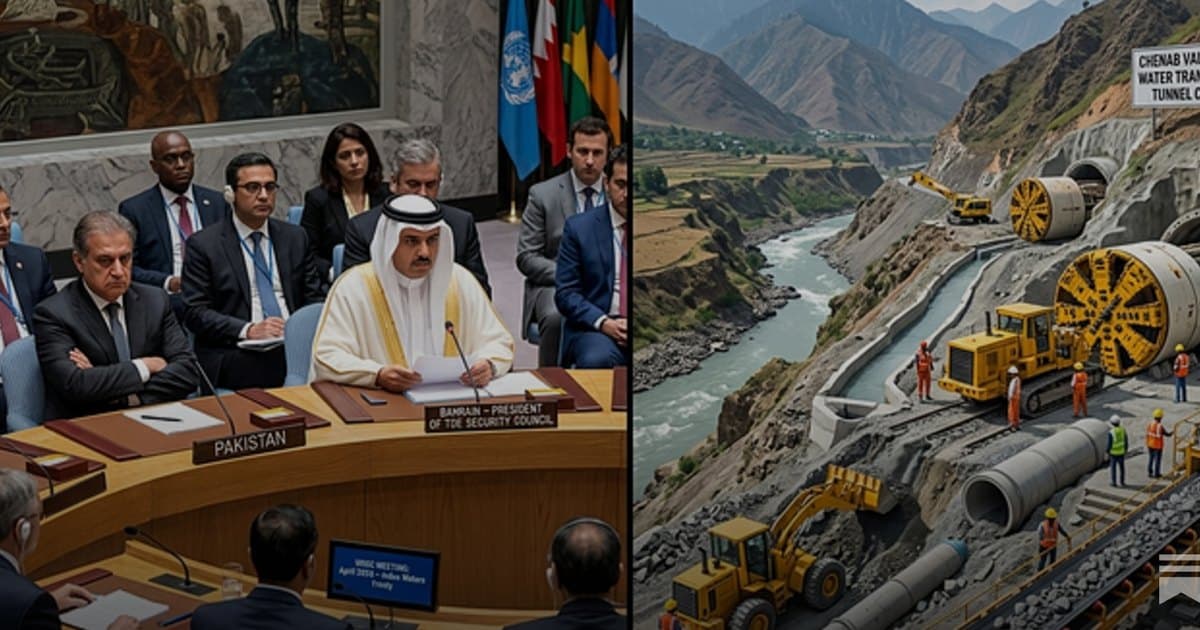
Indus Treaty Dispute: Pakistan's Push for Status Quo Ignores Changing Realities
Pakistan's attempt to freeze the Indus Waters Treaty faces India's evolving stance, marking a potential turning point in their water-sharing relationship.
The longstanding framework for sharing river waters between India and Pakistan appears to be entering a new, more contentious phase. Pakistan's recent diplomatic manoeuvres suggest a desire to keep the Indus Waters Treaty (IWT) locked in its original form, resisting any reinterpretation or modification that reflects contemporary geopolitical realities.
However, the historical resilience of the treaty owes much to India's considerable forbearance. Over decades, New Delhi has demonstrated an unusually high threshold of tolerance, absorbing disputes and procedural challenges without fundamentally altering the pact's structure. This patience has been a cornerstone of the arrangement's survival through wars, diplomatic breakdowns, and cross-border tensions.
The current impasse signals that this dynamic may be shifting. Pakistan appears to be attempting to leverage international opinion and legal forums to pressure India into accepting a static interpretation of the agreement. Yet, such tactics are unlikely to succeed if they are perceived as an attempt to arm-twist New Delhi.
India's position is hardening against what it views as an unreasonable insistence on freezing the treaty in time. The message emanating from New Delhi is clear: the agreement cannot be a one-way street, and its future depends on mutual accommodation rather than unilateral demands. As the strategic landscape evolves, so too must the mechanisms that govern critical resources like water, making the current standoff a defining test for the treaty's relevance.