Iran Seizes US Navy Underwater Drone After Malfunction in Gulf
Iranian forces recovered a disabled US Navy Dive-LD underwater drone. Analysts say Tehran may study its mechanics, though the Pentagon downplays the loss.
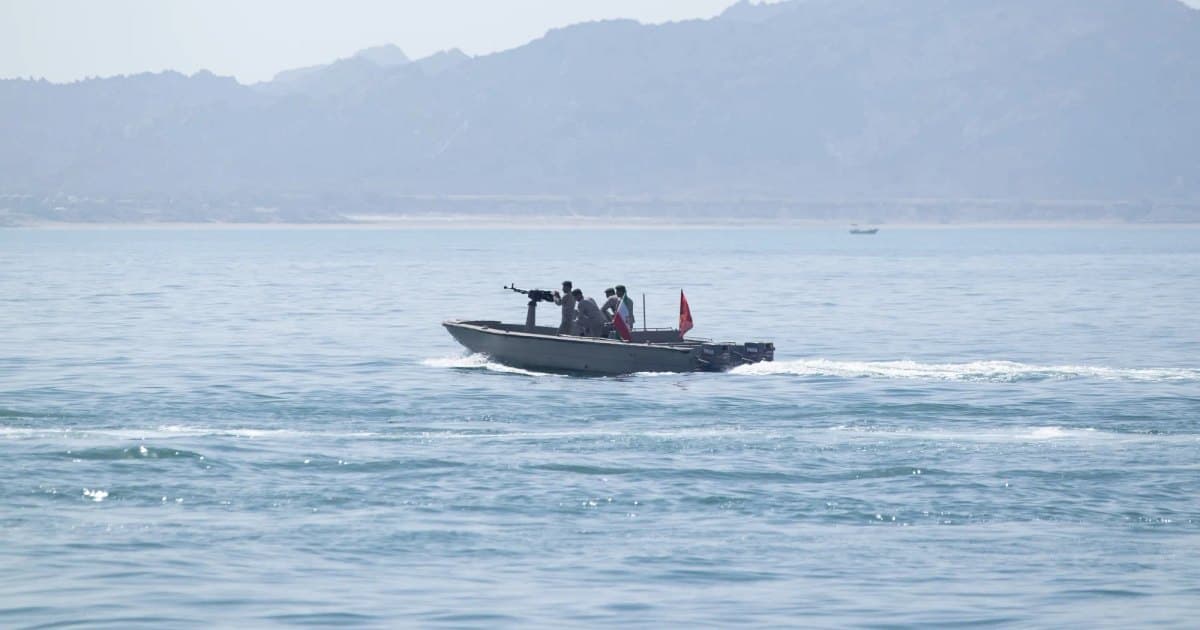
Iranian naval forces have recovered a disabled U.S. Navy underwater drone, an episode that Tehran is already exploiting for propaganda even as the Pentagon insists the loss is of limited strategic value.
The vehicle, a Dive-LD autonomous underwater vehicle (AUV) built by California-based Anduril Industries, malfunctioned and was left dead in the water before being picked up by Iranian personnel, according to U.S. Central Command. Captain Tim Hawkins said the unit was an older model that carried no sensitive data or classified sonar or radar equipment.
The Dive-LD is designed for long-range surveillance and can operate for up to ten days with minimal human intervention. It is also the testbed for Australia's Ghost Shark large underwater drone program.
Iranian diplomatic missions have mocked the incident on social media. The embassy in Ghana boasted of retrieving the drone "fully intact" from waters it described as under Iranian control, while the embassy in Hyderabad promised an "unboxing ceremony" by its reverse-engineering team.
Analysts note that Iran has a history of exploiting captured American hardware. After Tehran seized a U.S. RQ-170 Sentinel stealth drone in 2011, it later unveiled domestically produced aircraft that appeared to borrow heavily from the captured design. In 2022, the U.S. Navy moved quickly to prevent Iranian forces from towing away a Saildrone surface vessel in the Gulf.
Experts say the latest capture is unlikely to yield a decisive military advantage, but it offers Iran a chance to study the vehicle's mechanical systems. Bryan Clark of the Hudson Institute said Iranian engineers could reverse-engineer the hardware, though software protections may limit deeper access. Farzin Nadimi of the Washington Institute for Near East Policy called the episode a clear propaganda victory for Tehran.
The incident also highlights a contrast between Anduril's marketing, which touts the Dive-LD as highly reliable, and the Navy's account of a malfunction. Mona Yacoubian of the Center for Strategic and International Studies said Iran is adept at framing such events to project U.S. ineptitude and its own control over the Strait of Hormuz.