Iran and Oman Near Deal on Temporary Hormuz Shipping Route
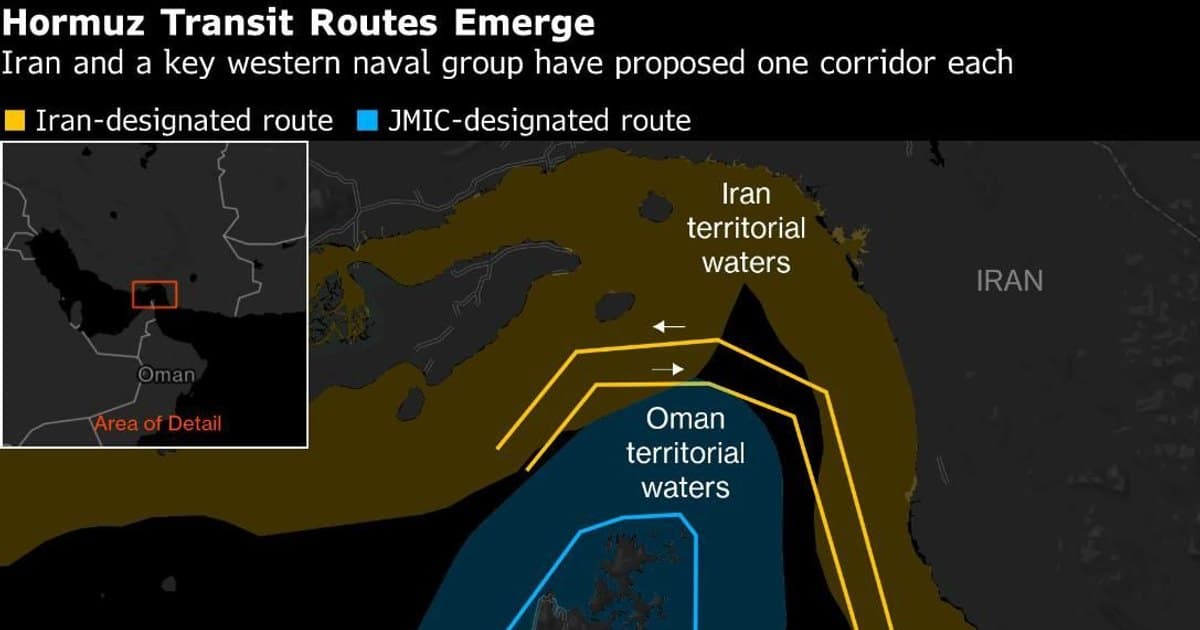
Iran and Oman are finalising an agreement to manage a temporary safe shipping route through the Strait of Hormuz, potentially boosting oil flows.
Iran and Oman are in the final stages of negotiations to formalise shipping management through the Strait of Hormuz, a move that could give Tehran greater sway over the world's most critical energy chokepoint.
Iranian Foreign Ministry spokesman Esmail Baghaei said Monday that talks with Oman had made "very good progress" and were nearing completion. The proposed understanding would establish a temporary safe corridor for vessels and be documented with the International Maritime Organization (IMO). Baghaei expressed hope that unnamed third parties would not interfere in the discussions.
The development comes as tanker traffic through the strait has fallen sharply since the outbreak of war in late February. Macquarie analysts estimate that roughly 7 million barrels per day of crude and refined fuels currently transit Hormuz, down from about 20 million barrels per day before the conflict.
News of the potential agreement briefly tempered oil-price gains, with Brent crude trading near $97 a barrel in London after touching $97.93 earlier. Markets appear to be betting that a safe route could encourage more commercial shipping and reduce the risk of attacks.
Both Iran and Oman border the strait and have been working toward formal arrangements governing its use. The two countries are also likely to seek service fees from vessels using the route. The United States, which has blockaded Iranian ports to restrict Tehran's oil exports, wants Hormuz to remain freely accessible as it was before the war.
Iran effectively closed the strait after US and Israeli strikes began in late February. The proposed agreement follows a weekend in which Iran claimed it attacked three ships using an unauthorised route and three US-linked vessels elsewhere. The US military said it had struck three Iranian crude tankers, destroying one, after Iran's Revolutionary Guard targeted two US Navy warships with ballistic missiles.
The seven-month-old conflict has driven up oil, fuel, and natural gas prices globally, stoking concerns about a fresh wave of inflation. The prolonged war is also pressuring the Trump administration to find a diplomatic off-ramp, as higher fuel costs weigh on the US economy ahead of November's midterm elections. Repeated attempts to resolve the conflict have so far failed, leaving the region in an uneasy stalemate punctuated by periodic exchanges of strikes.