Iran's New Proxy Ring: Houthi-Iraqi Militia Axis Threatens Gulf Stability
Iran is forging a new proxy network in the Gulf, with Houthi militants aiding Iraqi militias in attacks on Saudi oil facilities.
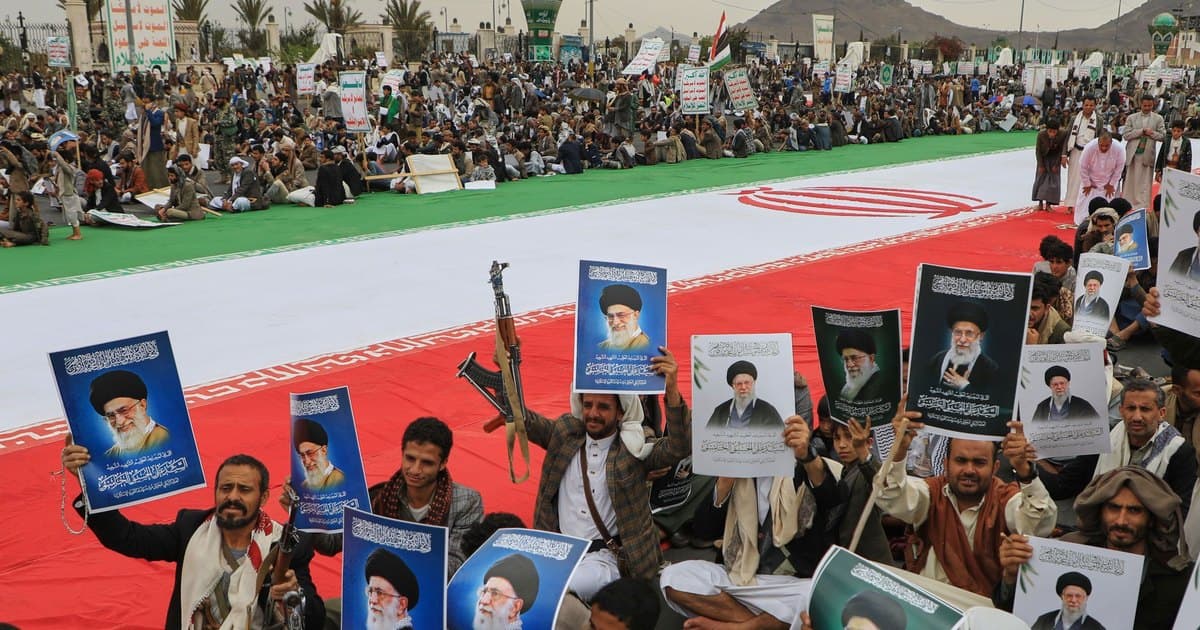
Iran is reportedly building a new network of proxies to pressure US allies in the Gulf, according to regional officials. The strategy comes after Tehran's long-established allies on Israel's borders suffered significant setbacks in recent conflicts.
Officials say Yemen's Houthi rebels helped Iraqi militias plan and execute a drone attack on Saudi oil facilities in July. This two-day assault, which Saudi Arabia and the US blamed on Iran-backed groups in Iraq, highlights a new level of coordination between Tehran's regional partners.
The Houthi involvement was confirmed by Saudi and Iraqi security sources, who said Houthi emissaries operated within an Iraqi militia command center. The joint US-Saudi response to the attack killed at least 20 Iraqi fighters, six Iranian advisers, and one Houthi official.
This cooperation has grown during the Gaza war, with both groups coordinating attacks on Israel. After the US and Israel struck Iran in late February, Tehran and its allies began targeting Gulf nations to broaden the conflict and disrupt major oil producers hosting American forces.
Analysts suggest the Houthis' prominence during the Gaza conflict has opened new opportunities in Iraq. "Many groups there became eager to support the Houthis, and in return, the Houthis started sharing their military expertise with Iraqi militias," said Ahmed Nagi, a senior Yemen analyst. He described the current situation as "squeezing Saudi like with pliers."
The Houthis have escalated their campaign, declaring a blockade against Saudi shipping in the Red Sea and launching over a dozen attacks on Saudi oil facilities and tankers since late July. A recent wave of attacks on southern Saudi Arabia wounded more than 70 people.
This blockade has forced Saudi Arabia to adopt a "dark" transit policy, turning off tracking signals on oil tankers. The kingdom has diverted much of its oil to the Red Sea after Iran effectively closed the Strait of Hormuz, but the Houthis have shown they can target that route as well.
Experts warn that a return to full-scale war is possible. The Houthis, who control northern and central Yemen, have been smuggling advanced weapons for years, including cruise and ballistic missiles, drones, and unmanned submarines. Saudi-backed forces are fighting back on several fronts, but the kingdom appears reluctant to directly engage the Houthis again.
"The train to a return to full scale war has left the station, and it's unclear if anyone is going to jump in to stop it," said Adam Baron, a Yemen expert at the New America think tank.