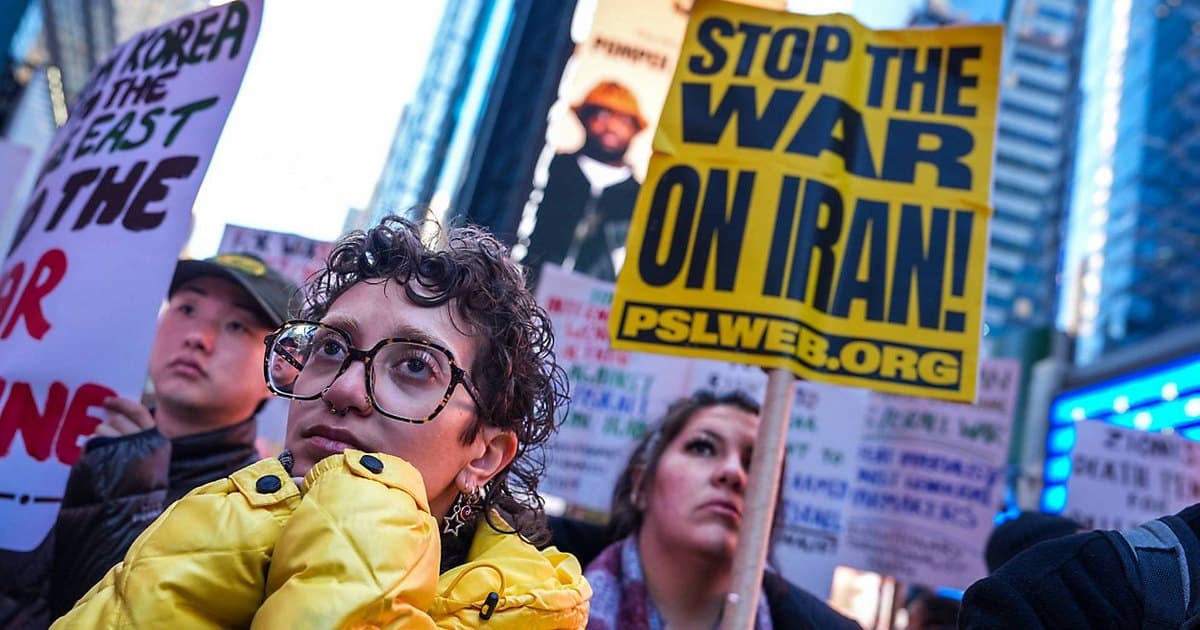
Six months into Iran war, markets rally while consumers feel the pinch
Six months after the US-Israel attack on Iran, markets have recovered strongly, but consumers face higher fuel, food and travel costs.
Six months after the United States and Israel launched their campaign against Iran, the global economy has defied the most catastrophic predictions. Fears of a worldwide recession and runaway oil prices have not come to pass, though no sector has escaped entirely unscathed.
Investment strategist Michael Ashley Schulman of Cerity Partners described the outcome as the financial equivalent of a 'Mission Impossible' scene. The International Monetary Fund noted in July that the economy was being pulled in two directions — the war straining growth while enthusiasm for artificial intelligence offsets the drag.
Stock markets initially tumbled on the February 28 attack, with the Dow and Nasdaq entering corrections and the S&P 500 posting its worst month since 2022. But since late March, a sharp reversal has taken hold. The Dow has gained nearly 19 percent, the S&P is up about 22 percent, and the Nasdaq has surged 27 percent. If these gains hold, all three indexes would post a fourth consecutive year of gains.
Oil has been the war's most visible economic casualty. With tanker traffic through the Strait of Hormuz slowed to a crawl, Brent crude climbed from a prewar close of about $72 a barrel to nearly $120. Prices have since eased but remain about 20 percent above prewar levels.
Airlines have been hit especially hard. Jet fuel is expected to cost 70 percent more than in 2025, according to the International Air Transport Association. Carriers have raised ticket prices, hiked baggage fees and imposed fuel surcharges. Lufthansa cut 20,000 short-haul flights, and Spirit Airlines has disappeared entirely. Columbia University economist Brett House said fuel surcharges and higher fares are unlikely to be rolled back soon, leaving consumers with fewer choices and less competition among airlines.
The crisis has also accelerated the shift to clean energy. Electric vehicle sales hit records in several countries, with Singapore up 110 percent year-over-year, New Zealand up 180 percent, and Colombia up 300 percent. Globally, EVs are projected to account for 29 percent of vehicle sales in 2026, up from 25 percent last year, even as demand weakened in the US and China. Supply chain expert Scott Lehmann of Sphera counts 26 countries and regions that have announced clean energy and electrification measures in response to the war.
The burden has fallen hardest on the poor. Fertilizer prices, which spiked 44 percent above prewar levels in April, have forced farmers to cut usage, potentially harming next year's harvests. The UN World Food Programme has warned that tens of millions could be pushed into hunger. Acting executive director Carl Skau put it starkly: 'An oil tanker anchored in the Strait of Hormuz can mean one less meal a day for a child in Sudan.'
Meanwhile, some have profited. Military contractor Powerus, about to be taken public by Eric and Donald Trump Jr., won an Air Force contract worth up to $90 million for drone interceptors. The private equity firm 1789 Capital Management, which Don Jr. joined after his father's reelection, holds stakes in Anduril, SpaceX and Firehawk Defense — all benefiting from wartime contracts. President Trump's own portfolio has gained from holdings in Lockheed Martin, General Dynamics and Northrop Grumman, with Democrats reporting his oil and gas stocks have soared by as much as $15.5 million. Both the White House and a 1789 Capital spokeswoman deny any conflicts of interest.
The war has cost the US tens of billions of dollars, caused thousands of Iranian casualties, and shaved hundreds of billions from projected global output. With midterm elections approaching, its political consequences remain uncertain.