Israeli banks to keep Palestinian ties until end-2026, central bank says
Israeli banks will continue processing Palestinian transactions through 2026 after a deal with the Finance Ministry, delaying a potential financial rupture.
Israel's two largest banks have agreed to keep providing correspondent banking services to Palestinian banks until the end of 2026, temporarily averting a cutoff that had been scheduled to begin this week, a senior central bank official said on Tuesday.
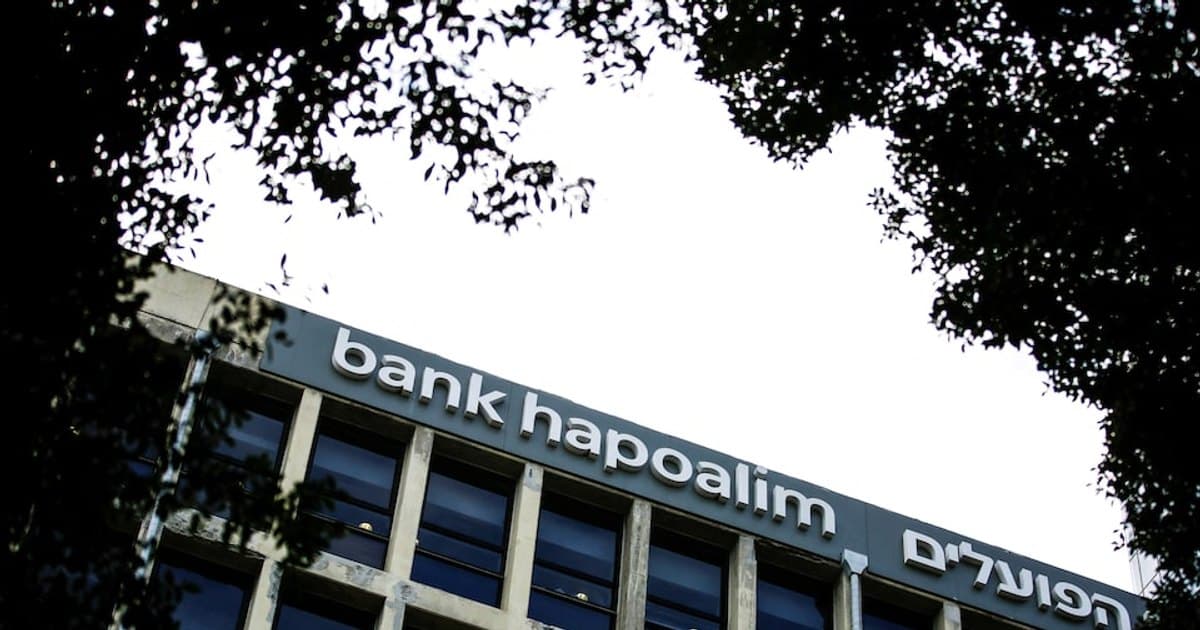
Bank of Israel Deputy Governor Andrew Abir said Israel Discount Bank and Bank Hapoalim, which had been set to halt the services due to concerns over money laundering and terrorism-financing risks, reached the arrangement after talks with the Finance Ministry. The extension gives the next government time to decide on a permanent framework.
"The deadline has been pushed off," Abir told reporters. "Then, it will be an issue for the new government to decide who should be carrying on that burden of the business of correspondent banking with Palestinian banks."
Israel is scheduled to hold elections on October 27, with a new coalition expected to be in place by year-end.
The services operate through indemnity waivers signed by Finance Minister Bezalel Smotrich, who has opposed the arrangement but has renewed it under pressure from the United States and the Israeli government. The waivers shield the banks from legal liability while processing shekel payments for Palestinian Authority salaries and services.
The Palestinian Monetary Authority estimates that the two banks handle about 51 billion shekels ($17 billion) in transactions annually for the Palestinian Authority, and that roughly 90 percent of Palestinian trade, including food, fuel, and medicine, passes through Israel.
Abir said a permanent solution could involve the existing banks continuing their role or a government-owned entity taking over, but stressed that a stable correspondent banking arrangement must be settled. He also dismissed the possibility of the Palestinian Authority shifting away from the shekel, noting that the Palestinian economy is deeply integrated with Israel's.
The Palestinian Monetary Authority has said its anti-money laundering framework meets international standards, a point acknowledged by the United States and the United Kingdom.