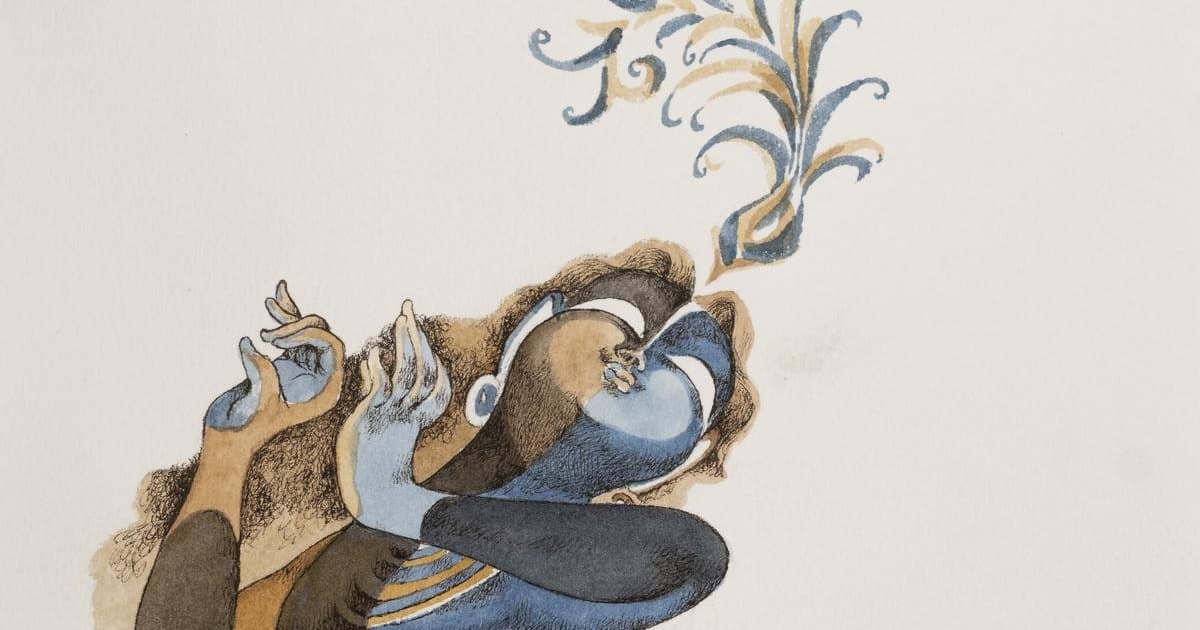
Janmashtami: How Karnataka's Haridasa poets envisioned Krishna
A look at how Haridasa composers like Purandaradasa and Kanakadasa depicted Krishna in devotional songs that remain central to Carnatic music.
As Janmashtami is observed, the devotional poetry of Karnataka's Haridasa movement offers a rich portrait of Krishna in his many moods. The compositions, known as devaranamas, were written by saint-composers who followed the philosophy of Madhvacharya and used music to make complex spiritual ideas accessible to common people.
The tradition is traced to Sripadaraja, often called the father of the Haridasa movement. His disciple Vyasaraya expanded the tradition, while Purandaradasa and Kanakadasa carried it to a wider audience. The movement flourished under the Vijayanagara Empire, with Hampi's Vittala temple on the Tungabhadra river serving as a key centre.
Purandaradasa, who signed his works with the mudra 'Purandara Vittala', composed numerous padas on Krishna that remain staples in Carnatic concerts. These include 'Jagadodharana', a portrayal of toddler Krishna, and 'Narayana ninna namada', known for its musical scope. Other well-known pieces like 'Odi barayya' and 'Pogadirelo ranga' are often performed as main items in concerts.
Kanakadasa's compositions reflect a deeply personal bond with Udupi Krishna. Legend holds that he was denied entry to the temple and prayed outside, after which Krishna turned to give him darshan through a small opening in the wall. That spot, known as the Kanakana Kindi, remains a site of devotion. His works include the ragamalikas 'Baro krishnayya' and 'Yadavaraya brindavanavanadolu'.
Beyond these two giants, composers such as Vadiraja, Vijaya Vittala Dasaru, and Vasudeva Vittala contributed padas that are still performed. The tradition also includes ugabhogas, free-flowing lyrical pieces that often precede a devaranama.
Musicians like M.L. Vasanthakumari played a pioneering role in bringing these padas to the concert stage. Artistes from Karnataka and Hindustani vocalists like Bhimsen Joshi also helped popularise them. Whether depicting Krishna as a butter thief, an enchanter, or a divine guide, the verses keep his presence alive for devotees who call out to him with love and longing.