Japan's wartime past must be taught honestly, peace activist says
A Japanese peace educator argues younger generations must learn the true history of Japan's wartime actions, including the Nanjing Massacre.
A prominent Japanese peace educator is urging her country to confront the realities of its wartime past, arguing that honest historical understanding is essential for building trust with Asian neighbours and preventing future conflict.
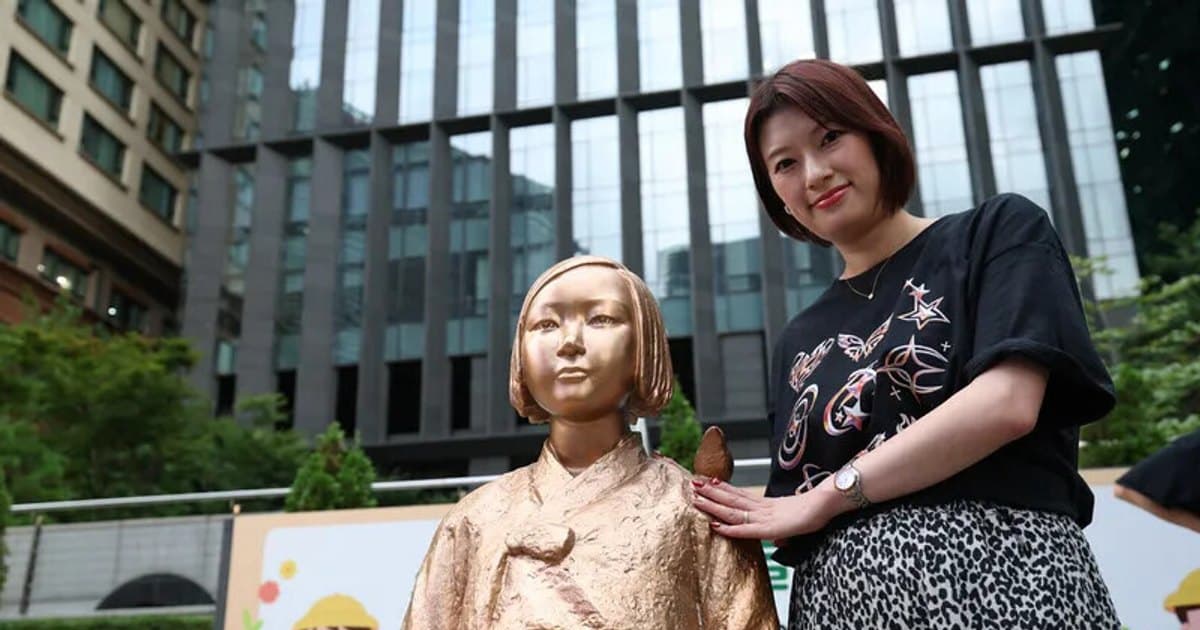
Yoshiko Komatsu, who heads the Kitakyushu Peace Resource Room in Fukuoka Prefecture, has spent years bringing peace education into schools. She says many children today have little knowledge of how the war began, often asking her basic questions about its origins.
Komatsu says she starts such lessons from the September 18 Incident of 1931, explaining that students must not only learn when the war started but also understand what Japan did to the Chinese people during the conflict.
She also addresses the Nanjing Massacre of 1937, in which over 300,000 civilians and unarmed soldiers were killed. Komatsu acknowledges that some young people doubt such figures, but argues the more important lesson is understanding why and how those deaths occurred. She encourages students to empathise with victims, including comfort women, so that they do not dismiss historical atrocities as fabrications.
Komatsu is critical of political figures who dismiss such reflection as self-torment. She says facing history honestly is a sign of strength, not weakness. She also expresses concern over recent remarks by Prime Minister Sanae Takaichi, who has said she does not need to reflect on events from before her time. Komatsu argues that mutual understanding of each other's backgrounds is vital for peaceful relations.
She also warns against the expansion of Japan's defence industry, saying it risks drawing more young people into war-related work and normalising participation in conflict. Komatsu says peace cannot be taken for granted, and she feels a personal responsibility to carry forward the testimonies of ageing war survivors who entrusted their stories to her resource room.