Karnataka farmers pitch for jaggery units in ethanol push as sugar prices climb
Karnataka sugarcane farmers urge permission for jaggery units to produce ethanol, citing price benefits amid rising sugar costs.
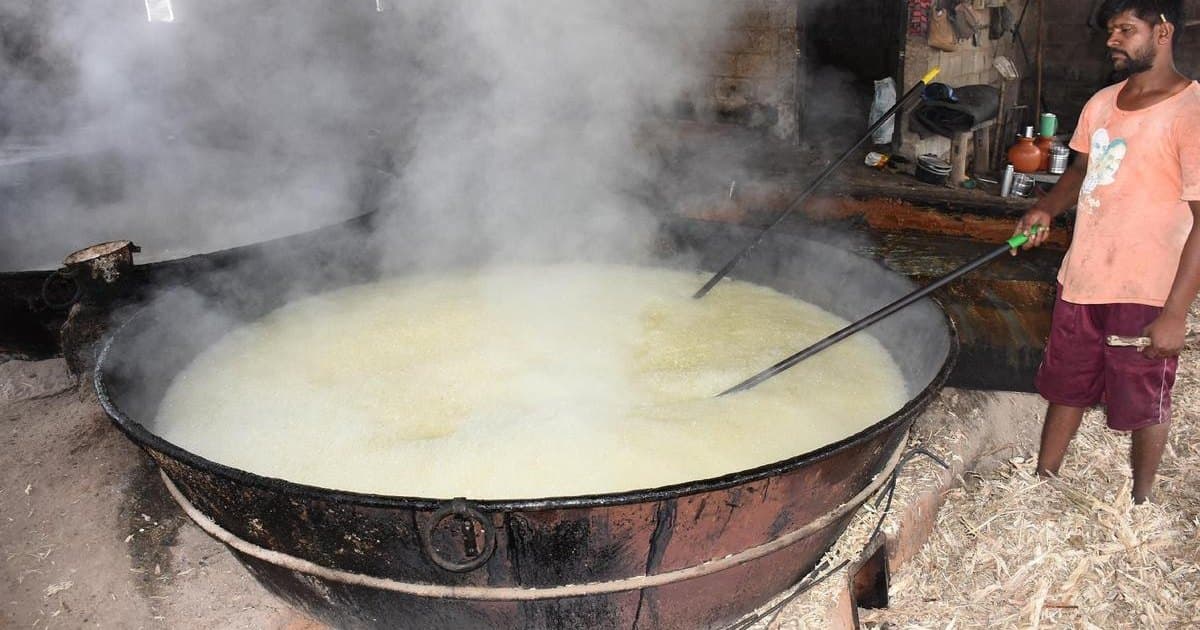
As sugar prices continue to climb in domestic markets, sugarcane farmers in Karnataka have renewed their demand for allowing local jaggery units to produce ethanol. The proposal comes amid ongoing debates over whether the diversion of sugarcane for ethanol blending has contributed to the price surge.
The State Sugarcane Growers' Association argues that the benefits of ethanol production should not be limited to large sugar factories. Its president, Kurubur Shanthakumar, has questioned why local jaggery units should be denied the opportunity to enter this space. He has suggested that these units be provided the necessary technology and permissions to manufacture ethanol.
According to the association, ethanol produced by jaggery units could serve dual purposes — as an eco-friendly cooking fuel for households and as automobile fuel for farmers' own vehicles and tractors. With public sector companies procuring ethanol at around ₹65 per litre, farmers believe they could substantially increase their incomes by selling surplus produce.
The demand also stems from long-standing grievances against sugar mills. Farmers allege that factory managements have not adequately compensated growers, and even when the government fixes prices, mills often approach courts and secure stays against payment directives. Allowing jaggery units to produce ethanol, they argue, would reduce this dependence on sugar factories.
Karnataka produces approximately 600 lakh metric tonnes of sugarcane annually. Of this, only 30 to 40 lakh metric tonnes currently reaches local jaggery units, with the remainder going to sugar factories. The association estimates that if jaggery units were permitted to produce ethanol, their numbers in the state could rise from the present 15,000 to as many as 50,000.
Meanwhile, the food industry has urged the government to intervene immediately to rein in sugar prices. While the Centre has dismissed suggestions that ethanol diversion is behind the price rise, farmers' outfits and industry representatives maintain that the policy of increasing ethanol blending in petrol is putting pressure on domestic sugar availability.