Karnataka Cabinet Approves New Global Investment and Overseas Affairs Department
Karnataka will create a Global Investment and Overseas Affairs Department to aid NRIs and foreign investors, alongside new NRI-K cards and a Group of Ministers.
The Karnataka Cabinet has approved the creation of a Global Investment and Overseas Affairs Department, a move aimed at supporting Non-Resident Kannadigas and streamlining engagement with foreign delegations, investors, and diplomats. The decision follows the recent establishment of the Praja Seva Department for public grievance redressal.
The new department is designed to function as a single-window system for investment facilitation, partnerships, and international cooperation. Its secretariat will arrange meetings between foreign delegations and the Chief Minister, after which proposals will be forwarded to the relevant administrative departments for action.
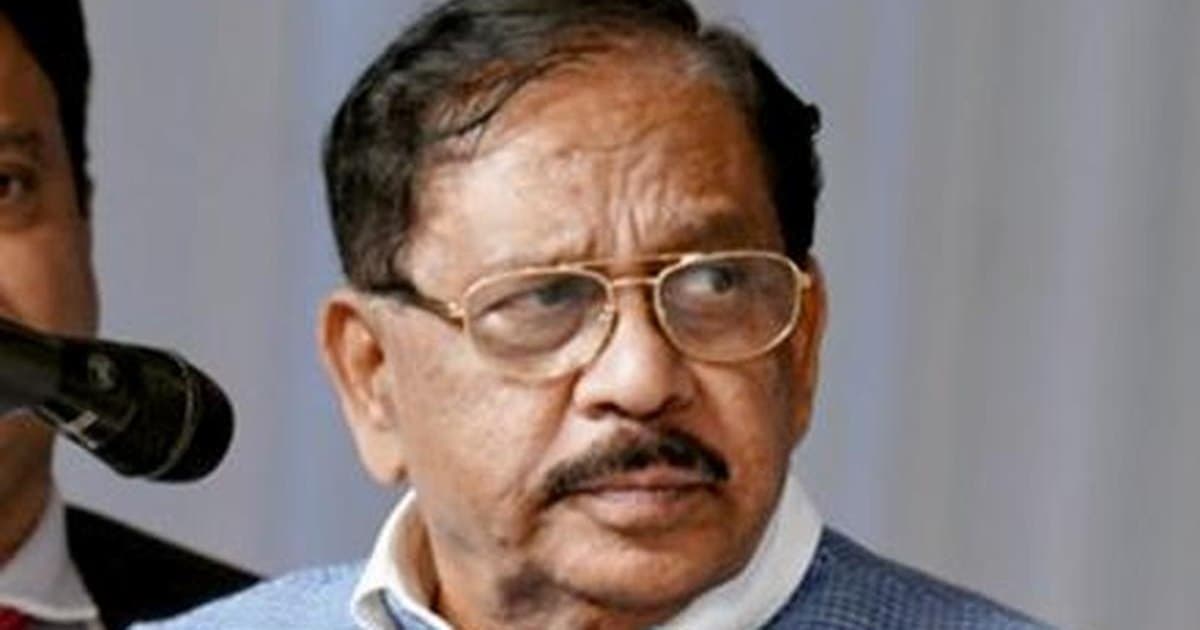
Deputy Chief Minister G. Parameshwara said the department will also oversee global cultural exchanges, research and development, health, and tourism initiatives. A facilitation council, chaired by the Chief Minister, will be set up with ministers handling portfolios such as Power, Urban Development, Health, Higher Education, IT, and Sports.
While the department will eventually be headed by a dedicated minister, it will be led by the Chief Minister for now. The Cabinet also proposed issuing NRI-K cards to Kannadigas living abroad.
In a separate decision, the state will adopt a Group of Ministers model, similar to the one at the Centre, to deliberate on key issues before they reach the Cabinet. Parameshwara said this would ensure decisions are not seen as being taken by the Chief Minister alone. The group will include ministers such as K.H. Muniyappa, K.J. George, Priyank Kharge, Krishna Byre Gowda, and M.B. Patil, among others.
The Cabinet also appointed eight ministers as official government spokespersons. Statements made by them will be treated as the legitimate government stance, while remarks by others will be considered personal opinions.