Karnataka to File Criminal Cases Over Panchayat Lake Encroachments
Karnataka's RDPR Minister warns of criminal cases against encroachers of gram panchayat lakes, citing 4,828 lakes still under encroachment.
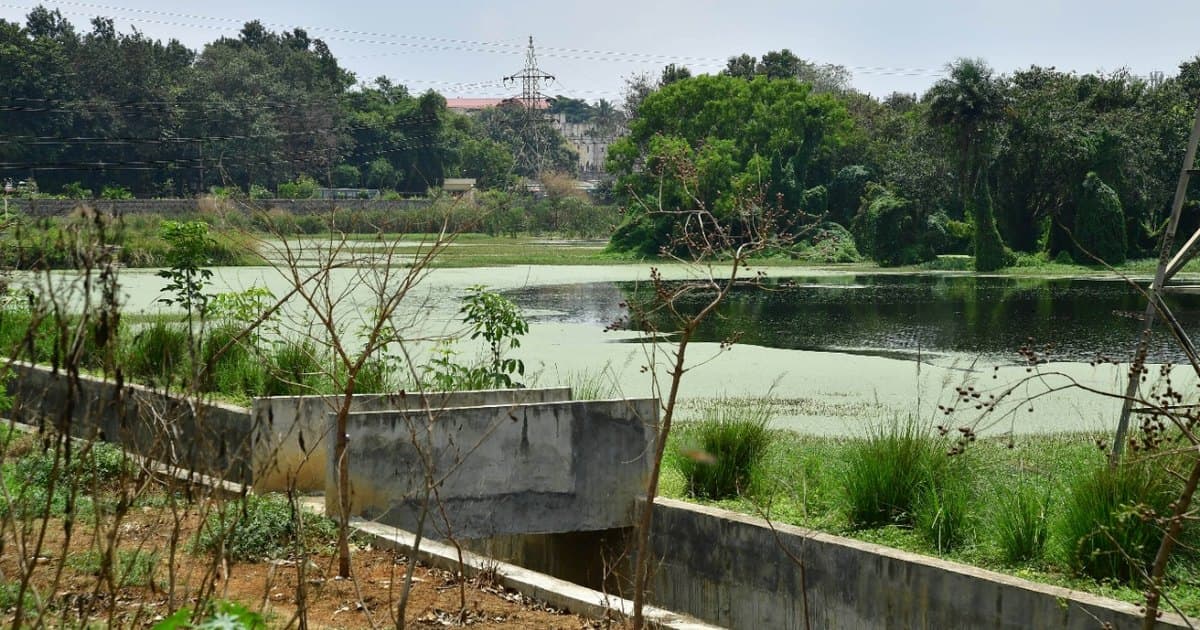
Karnataka Rural Development and Panchayat Raj (RDPR) Minister Eshwar Khandre has issued a stern warning that all encroachments on lakes owned and maintained by gram panchayats will be removed, with criminal cases filed against those responsible.
Speaking to reporters on Friday, Khandre revealed that of the 32,504 lakes under gram panchayat jurisdiction in the state, 11,498 have faced encroachment. While clearance operations have successfully reclaimed 6,670 lakes, encroachments persist on 4,828 lakes, covering a total area of 11,671 acres.
The minister's remarks come in the wake of his participation in a two-day national summit on sustainable water management organized by the Ministry of Jal Shakti in New Delhi. He highlighted the significant challenge of supplying drinking water to rural regions, noting that Karnataka is the second most drought-prone state in the country with rapidly depleting groundwater levels.
Khandre attributed the declining water table to geological factors, including the presence of rocks and laterite deposits that hinder rainwater percolation, as well as excessive groundwater extraction. He stressed that surface water sources—lakes, tanks, reservoirs, and rivers—will become the primary lifeline in the future and must be protected to avert severe water scarcity.
During the summit, the minister advocated for a national plan to safeguard water bodies from pollution caused by waste dumping and encroachment. He also pointed out that Karnataka is the pioneer state in implementing water budgeting, a process that assesses available water resources against current and future demand. This approach, he said, enables the government to devise scientific and systematic plans for balanced water supply.
Additionally, Khandre noted that a continuous drinking water supply scheme has been rolled out in 268 villages across the state, resulting in a 7% saving in drinking water.