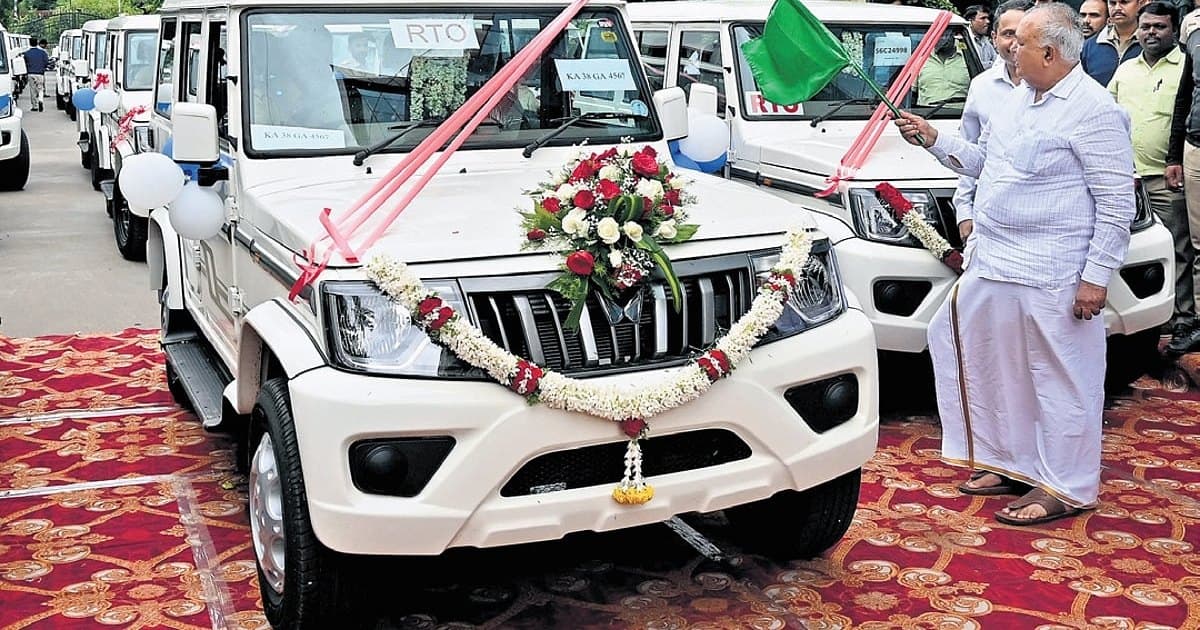
Karnataka weighs leasing police vehicles to cut upfront costs
Karnataka is examining a rental or lease model for police vehicles to reduce capital spending and add vehicles faster, the government said after a meeting in Bengaluru.
The Karnataka government is examining whether police vehicles should be taken on rent or lease rather than bought outright, as part of a push to modernise the force and ease the strain of large one-time purchases.
On September 10, Home Minister Priyank Kharge held a meeting with officials from the Karnataka Police's communications, logistics and modernisation wing, alongside representatives of more than 20 automobile and two-wheeler manufacturers. Companies making both electric and conventional vehicles took part.
The discussion centred on alternatives to the department's current practice of purchasing vehicles outright.
Mr. Kharge said a rental or lease arrangement could help the department stretch its resources further and respond faster when operational needs change. He said the aim was not simply to buy vehicles but to spend public money carefully and improve the department's efficiency, adding that the government would look at options for adding vehicles quickly and managing their use and maintenance better instead of committing to a large capital outlay at once.
Under the proposed model, the police could scale up their fleet in line with operational demands and use the vehicles for law and order duties, patrolling, emergency response and investigations. The meeting also covered the possible use of electric vehicles and other categories of vehicles for police work.
Officials and industry representatives are expected to study several factors before any decision is taken, including how the vehicles would be used, the duration of operations, maintenance and repairs, the availability of replacement vehicles, service costs and the length of contracts.
Mr. Kharge said modern policing depends on more than manpower, noting that mobility, technology and infrastructure matter equally, and that the force needs better equipment to handle fast-changing social and law-and-order challenges.
He said the government would assess the financial and operational feasibility of the rental model before proceeding. Any such model would need to ensure optimum use of public funds and remain financially and administratively viable over the long term, he added.
The government is also working to make the police department more mobile, technology-driven, modern and citizen-friendly, the Minister said.