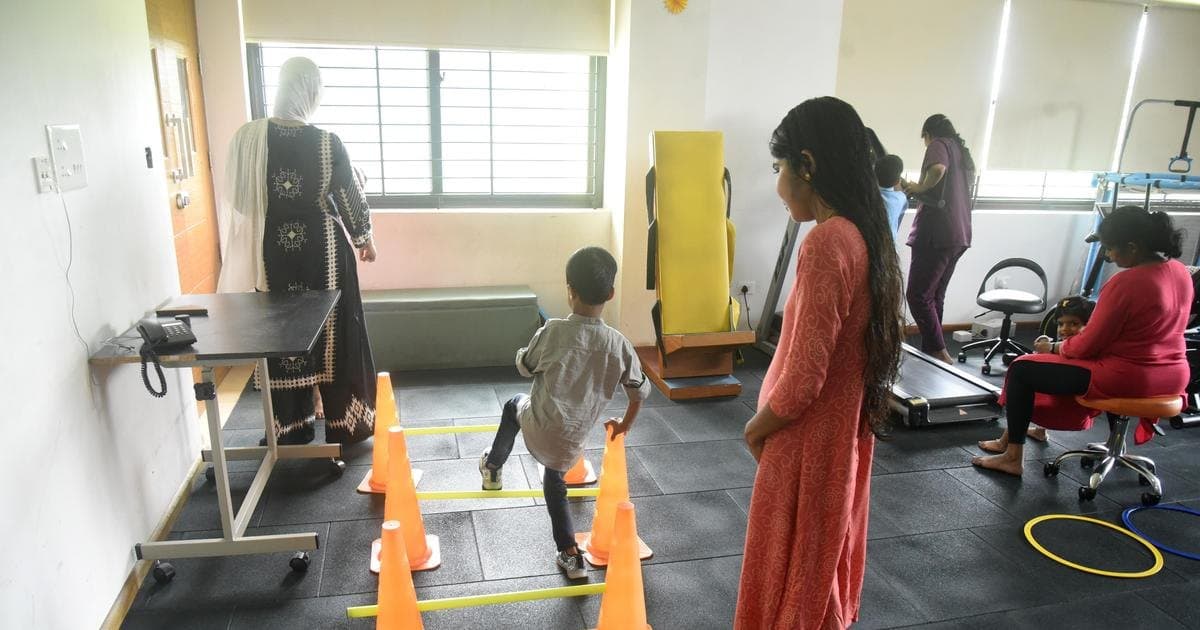
Kerala Parents of Children with Disabilities Still Await Support a Decade After Rights Act
A decade after the Rights of Persons with Disabilities Act, Kerala parents of differently abled children report persistent struggles for care and support.
Ten years after the Rights of Persons with Disabilities Act came into force, families raising differently abled children in Kerala say their daily battles remain largely unchanged. Parents across the state describe a continuing search for stability, access, and a semblance of normalcy in the face of systemic gaps.
The legislation was meant to guarantee equal rights, inclusion, and support for persons with disabilities. Yet, for many caregivers, the gap between legal promise and lived reality is stark. Parents speak of navigating fragmented services, limited institutional support, and the emotional and financial toll of round-the-clock care.
Interviews with several families reveal a shared narrative: the burden of care falls almost entirely on parents, with little respite. Many struggle to find schools that accommodate their children's needs, therapists who are accessible, and government schemes that actually reach them. The absence of coordinated support systems forces families to improvise, often at the cost of their own health and careers.
While the Act marked a milestone in recognising the rights of persons with disabilities, its implementation on the ground in Kerala appears uneven. Parents say awareness among officials is low, paperwork is cumbersome, and benefits are slow to arrive. The emotional weight is compounded by social stigma and the constant worry about what will happen to their children when they are no longer able to care for them.
For these families, the search for a bright spot continues. They are not asking for sympathy, they say, but for functional systems: reliable healthcare, meaningful education, vocational training, and community support that allows their children to live with dignity. A decade on, that hope remains largely unfulfilled.