Landfill Fires and Toxic Leachate: India's Waste Crisis Demands Urgent Fix
India's overflowing landfills, like Delhi's Ghazipur, are catching fire and leaking toxins, demanding urgent waste-management reforms.
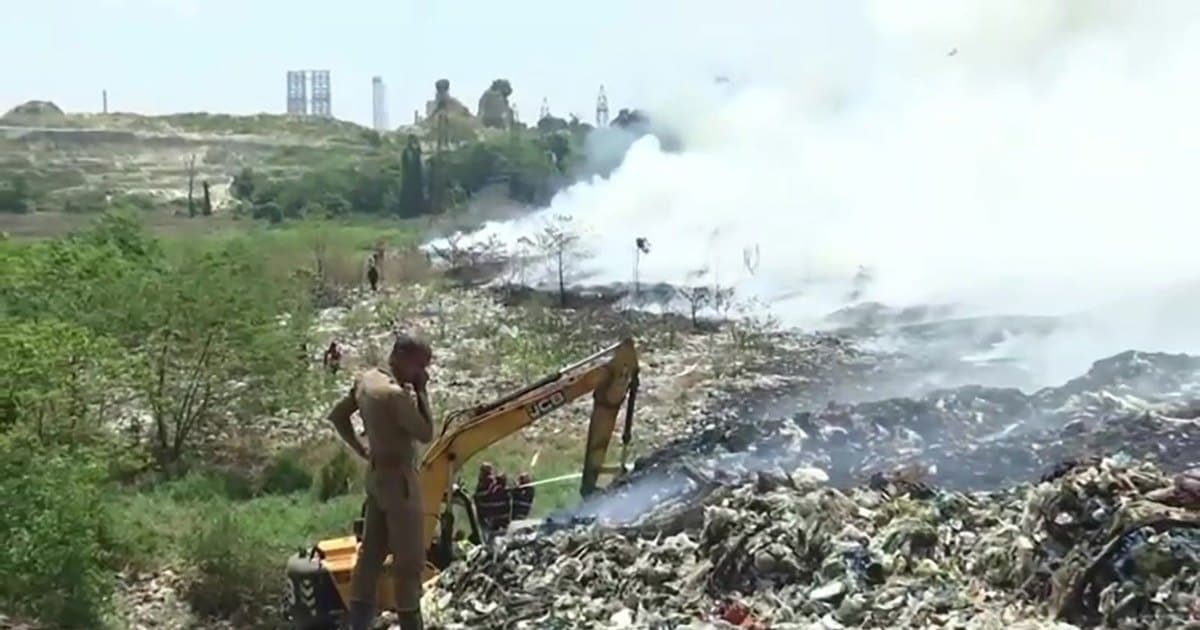
A thick plume of smoke has been rising from the Ghazipur landfill in east Delhi since a portion of the site caught fire on a recent Sunday evening. The incident has once again turned the spotlight on the country's largest garbage dumpsite, which is estimated to hold at least 8.4 million tonnes of accumulated waste.
The Ghazipur fire is not an isolated event but a symptom of a deeper crisis in India's rapidly urbanising landscape. As cities expand, the generation of municipal solid waste has surged, and the overwhelming majority of it continues to be dumped in unscientific landfills. These sites are now buckling under the weight of decades of neglect, creating a host of serious problems.
One of the most immediate dangers is the release of poisonous and toxic gases from decomposing waste. As seen at Ghazipur, this can lead to fires that shroud surrounding neighbourhoods in thick, hazardous smoke. Beyond the air, the ground itself is contaminated. Rainwater percolating through the garbage creates a toxic liquid known as leachate, which seeps into the soil and groundwater, poisoning local water sources. These conditions become breeding grounds for disease, posing severe health hazards for the millions of people living in proximity to these dumpsites.
The situation demands a fundamental shift in how waste is managed. The current linear model of 'collect and dump' must be replaced with a circular approach that treats waste as a resource. This requires a multi-pronged strategy: aggressive segregation of waste at the source, robust investment in composting and recycling infrastructure, and the adoption of waste-to-energy technologies that can safely process residual waste. Decentralised processing at the neighbourhood level can also significantly reduce the burden on centralised landfills.
Ultimately, the way forward lies in a comprehensive overhaul of urban waste management policies. This includes stricter enforcement of existing regulations, greater accountability for municipal bodies, and active public participation in reducing, reusing, and recycling. Until these systemic changes are implemented, India's cities will continue to live under the shadow of their own garbage.