Malaysia's data centre boom strains power grid as heat drives record demand
Rising temperatures and data centre growth push Malaysia's power demand to record levels, requiring 9 GW of new gas capacity by 2032.
Malaysia's rapidly expanding data centre industry is placing unprecedented strain on the national power grid, with electricity consumption for cooling surging as the country experiences hotter-than-usual weather.
Data centres accounted for a record 9.3% of total electricity consumption during the second week of August, up from an average of 7% for the year, according to Energy Commission CEO Siti Safinah Salleh. The spike is directly linked to climate conditions, as cooling systems require substantially more energy during periods of elevated temperatures.
"With the hotter weather, the cooling system requires a lot more energy," Salleh said at an Energy Commission conference on Tuesday.
The surge in demand comes as Malaysia, positioned as Southeast Asia's fastest-growing data centre hub, attracts billions in investment from global technology firms including Amazon and Microsoft. The country is leveraging its domestic natural gas reserves to meet rising power needs, bucking a broader regional trend away from gas-fired generation.
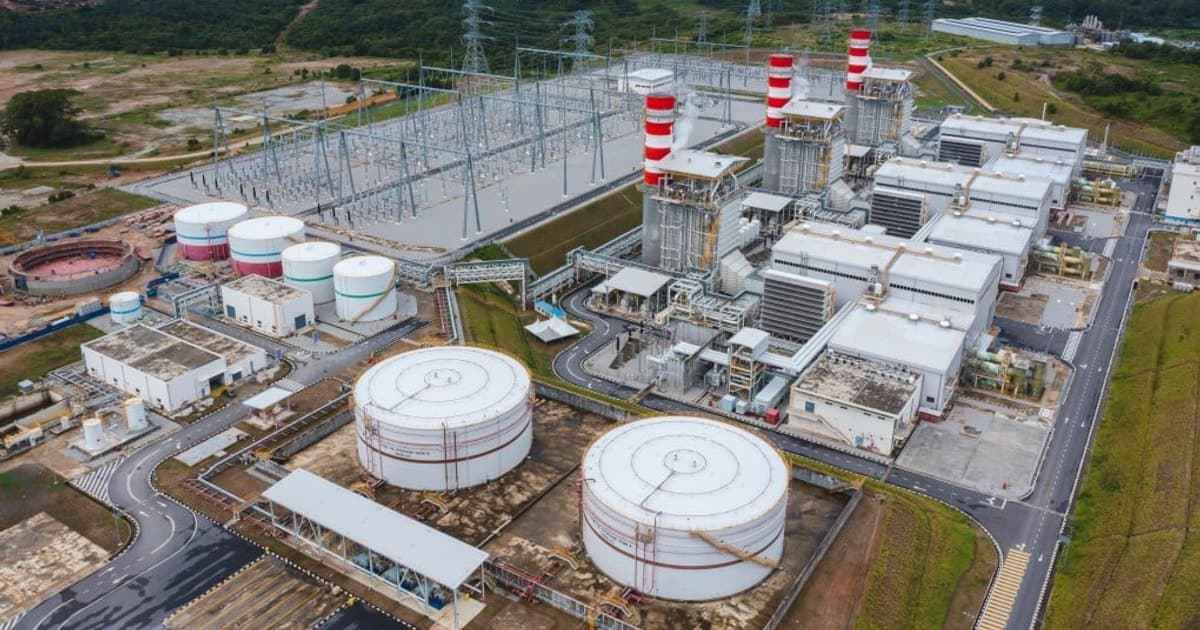
Economy Minister Akmal Nasir outlined a significant infrastructure challenge: Malaysia will need to add 9 gigawatts (GW) of gas-fired capacity by 2032 to bridge the gap left by the gradual phase-out of coal. The country plans to retire its final coal-fired power plants by 2044.
However, no additional gas-fired capacity is expected to come online this year or next. Salleh indicated the commission would "optimise" the existing fleet to manage demand through 2027, though she did not provide specific measures.
The heatwave has also affected renewable energy sources. "Because of the hot weather, our hydro dams are also at very low levels," Salleh noted, adding that the commission does not expect the unusually hot conditions to persist beyond early September.
With a population of approximately 35 million, Malaysia faces the dual challenge of supporting digital infrastructure growth while ensuring grid reliability amid changing weather patterns and the energy transition.