Mexico Crypto Farm Raid Exposes Cartel Move Into Digital Finance
A clandestine crypto mining farm in Puebla's mountains is the fourth uncovered in the area, highlighting cartel use of digital assets to launder money.
Mexican authorities have dismantled a clandestine cryptocurrency mining farm hidden in the forested mountains of Puebla state, the fourth such operation found in the area since early last year, in a case that has drawn attention to organized crime's expanding role in digital finance.
The discovery in the Sierra Norte region followed reports of an unusual, persistent mechanical whirring that residents said could be heard from about a kilometer away. The building sat roughly twice that distance from the nearest village, along a sparsely used gravel road.
Inside, investigators found 300 graphics processing units, 80 medium-voltage terminals and eight satellite antennas — equipment assembled to compete with mining machines worldwide in solving the puzzles that generate new cryptocurrency. While modest by international commercial standards, the setup would have required technical skill and significant financing, according to a Mexico-based security analyst, who said it pointed to backing from a well-funded criminal group.
Mexico's federal attorney's office declined to comment, citing an active investigation.
Authorities are examining whether the operation drew electricity illegally from a nearby hydroelectric dam. Power is the single largest cost in crypto mining, and the University of Cambridge's Bitcoin Electricity Consumption Index puts the cost of minting one bitcoin at nearly $45,000 — still profitable at recent prices of around $78,000. An energy-theft expert at Mexico's Iberoamericana University noted that stolen power would leave the operation with almost no major expenses.
Three other similar farms were found last year near the same dam in northern Puebla. Local authorities say they are working with neighboring states to check for more hidden sites.
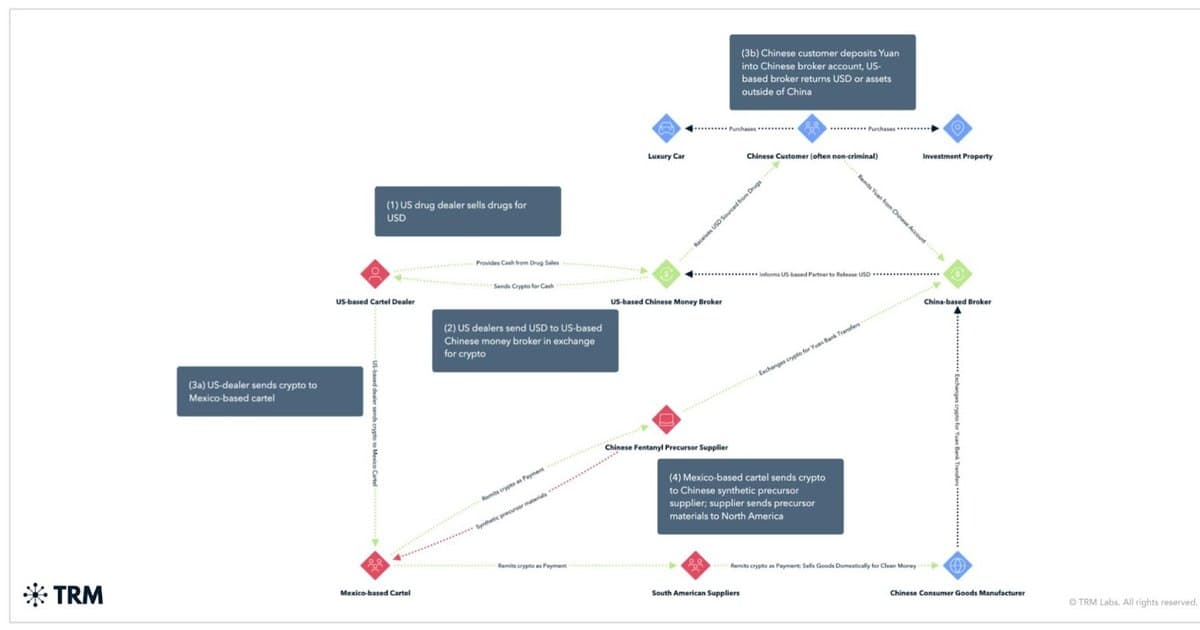
The Puebla case reflects a broader trend. Illicit cryptocurrency transactions worldwide more than doubled in 2025, with criminal addresses receiving an estimated $154 billion, up from $59 billion a year earlier, according to blockchain analytics firm Chainalysis, which attributed much of the rise to sanctions-evasion payments. A Latin America specialist at the firm said cartels increasingly turn to crypto transfers and mining to launder money, often choosing sites with cheap power or in areas under criminal influence where electricity can be stolen.
Similar raids have occurred in Brazil, the United States and Southeast Asia, including a large bitcoin mining operation in Thailand spanning five provinces. The specialist warned that growing global crypto use will likely push crypto-related crime to new records in the years ahead, even as investigators become better equipped to trace online transactions.