Deadly Himalayan Floods Put Spotlight on Region's Perils and Appeal
Flash floods after a glacier collapse have killed hundreds in the Nepal-China border region, a zone that also draws trekkers and holds deep cultural roots.
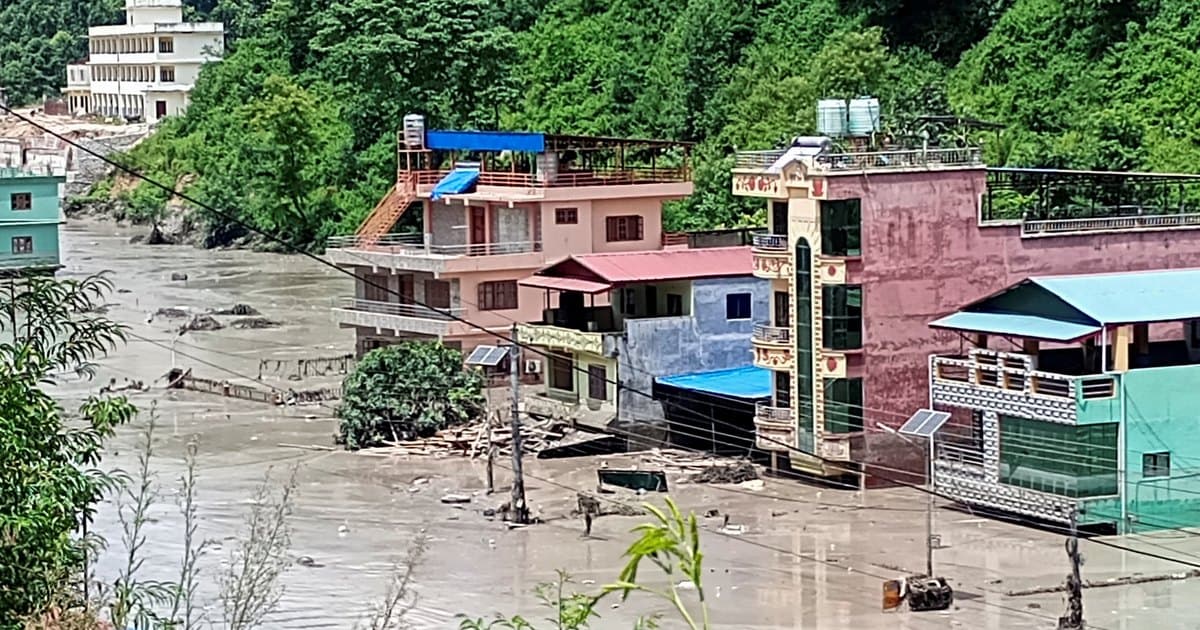
The towering peaks along the Nepal-China frontier have long presented a stark duality: breathtaking beauty and immense danger. That reality was underscored this week when flash floods, triggered by a glacier collapse, swept through the region, killing hundreds and leaving a trail of destruction. The disaster has also highlighted the area's global appeal, with nationals from at least 30 countries among the missing, alongside hundreds of local residents.
For centuries, these mountains have been more than a scenic backdrop. They have been a vital corridor for traders moving goods along the ancient Silk Road and a permanent home for millions whose lives are interwoven with the high-altitude environment. The region's indigenous communities, such as the Sherpas, developed specialized mountaineering expertise over generations. When Nepal opened its borders to foreigners in the mid-20th century, this knowledge became invaluable to international explorers.
This expertise made history in 1953, when Sherpa Tenzing Norgay and New Zealand's Edmund Hillary became the first to summit Mount Everest. In the decades since, trekking has surged in popularity, transforming tourism into a cornerstone of Nepal's economy. Popular destinations now include Everest Base Camp and the Annapurna conservation area, where a record 274 climbers reached the Everest summit in a single day last May. This boom has sparked debates on managing waste and preserving the pristine nature of the peaks.
The flood-hit area near Kathmandu is also a trekking hub. Rajendra Lama, general secretary of the Nepal Mountaineering Association and a guide for over two decades, notes a significant shift in the industry. Infrastructure like better roads, lodges, and eateries—even pizzerias—now dot the trails, a far cry from when he began. "There's a big difference from when I started... Nowadays people need more facilities," he said.
Despite these modern trappings, the core attraction remains the raw, wild beauty. Ariel Estulin, a Toronto photographer on his fourth visit, recalls journeys to remote regions that required grueling bus rides and nights spent at farmers' homes. "It is changing," he said, "but it will always remain wild."
Lama is hopeful that this deep affection for Nepal will help it recover, as it did after the devastating 2015 earthquake. He has received numerous messages of support, which he interprets as a sign of enduring global solidarity. "It means," he said, "that people love Nepal."