Nepal flash floods knock out hydropower plants, halving electricity exports to India
Flash floods in Nepal damaged multiple hydropower plants, halving electricity exports to India and affecting supplies to Bangladesh.
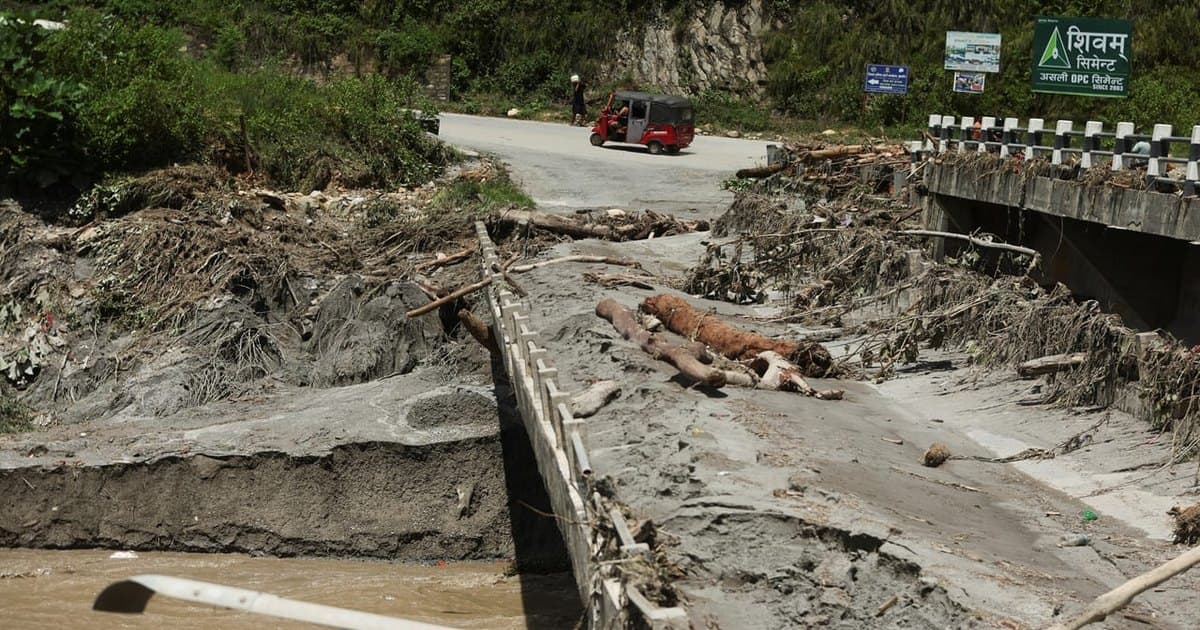
A flash flood triggered by a collapsing glacier in the Himalayan region between Nepal and Tibet on Wednesday has severely disrupted Nepal's hydropower sector, damaging scores of power plants and halving electricity exports to India.
An Indian government official said Nepal's power supply to India dropped from around 800 megawatts (MW) to at least 400 MW. The 14-MW Devighat hydropower plant, which supplies electricity to India, was among the affected units. Grid India data shows India imported 963.4 MW from Nepal at the day's peak on August 26, when the flood struck.
Nepal's Energy Ministry reported that around 13 hydroelectric plants and one solar plant were affected, impacting nearly 359 MW of capacity. Two other plants, Chilime and Trisuli, which supply power to Bangladesh, were also hit.
In Rasuwa district, operational plants with a combined capacity of 236 MW and three under-construction projects totaling 342.42 MW were affected. These include Upper Trishuli-1 (216 MW), Rasuwagadhi (111 MW), Rasuwa Bhotekoshi (120 MW), Sanjen Khola (78 MW), and Chilime (22 MW).
In Nuwakot district, four operational plants (123 MW) and two under-construction projects (52.6 MW) were damaged, including the Trishuli (24 MW), Devighat (14.1 MW), Upper Trishuli-3A (60 MW), and Upper Trishuli-3B (37 MW) projects, along with a 25 MW solar facility.
Hydropower constitutes the bulk of Nepal's total installed generation capacity of roughly 4,300 MW. Electricity trade between Nepal and India is seasonal, with Nepal exporting surplus power during the monsoon and importing during dry winter months.