Nepal's Hydropower Ambitions Hit by Deadly Floods
Floods damaging 10% of Nepal's hydropower capacity force power imports from India and raise climate risk concerns.
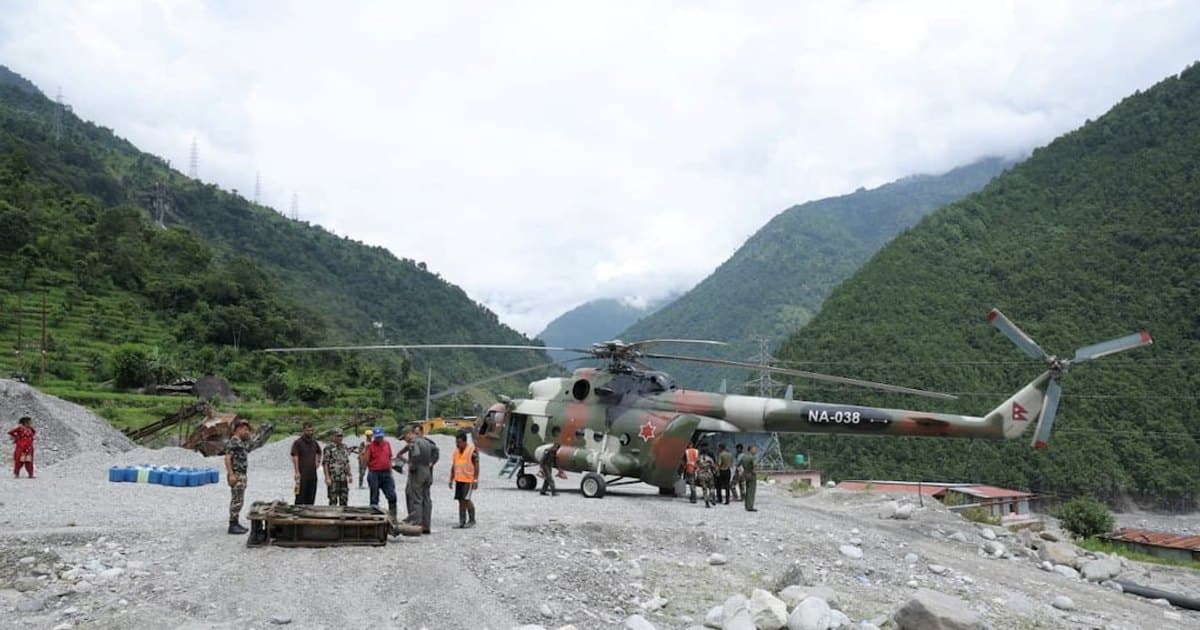
Nepal's ambitious hydropower expansion plans have been thrown into question after devastating floods last week knocked out a tenth of the country's electricity generation capacity. The disaster has forced the Himalayan nation, traditionally a power exporter, to turn to India to meet domestic demand.
The floods ravaged Bagmati province, the heart of Nepal's hydropower sector, affecting 431 megawatts of generation capacity. Energy ministry spokesperson Mohan Kumar Shakya said a post-disaster needs assessment is underway, but warned that recovery will take time. In the interim, Nepal has halted power exports and will import electricity from India.
Hydropower accounts for nearly all of Nepal's electricity and has become a vital export earner, growing an average of 75% over the past decade and contributing nearly a tenth of annual exports. Major companies, including Adani Group, NHPC, and GMR, have pledged investments to triple capacity over the next decade, aiming to supply India's coal-heavy grid.
However, environmental experts argue that the risks are compounded by projects built in vulnerable riverbeds and flood-prone valleys, alongside accelerating climate change. Anjal Prakash, an IPCC report author, noted that Nepal's mountains have been signaling danger for a decade through thinning glaciers and retreating snowlines, yet hydropower plants were built anyway.
The floods are part of a global pattern of extreme weather this year, from heatwaves in Europe and Australia to wildfires in Spain and Chile. In Bagmati province alone, nearly 900 people are missing after 11 projects were hit.
Experts say historical hydrology is becoming an unreliable guide for risk assessment due to climate change. Farooq Azam, a senior cryosphere specialist at ICIMOD, stressed the need to evaluate how changing mountain conditions could affect infrastructure over its lifetime.
Despite the risks, Nepal has few alternatives. With no coal or gas plants and limited wind and solar potential, the landlocked nation remains heavily dependent on hydropower to meet rising demand. As Victor Vanya of EMA Solutions put it, the country faces a difficult choice between developing fragile river catchments or lacking scale in energy generation.